Crawl Space Water Removal in Davis, CA
(888) 774-9605Get the under floor water pumped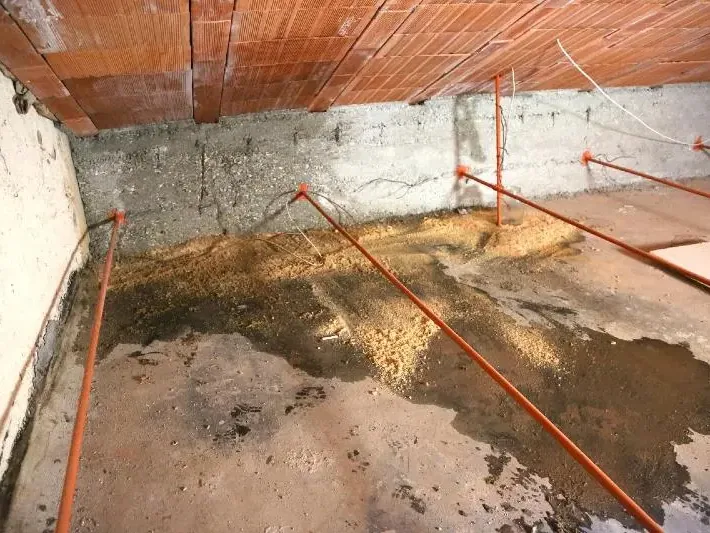
A crawl space is out of sight, which is why water there can sit for a long time. A leaking supply pipe, a failed drain connection or heavy winter rain can leave standing water under the floor, and the moisture then rises into joists, subfloor and flooring. The steps below apply to any house with a raised floor and an access space beneath it.
How a crawl space water removal job runs, step by step
Enter and assess
The crew checks the space for hazards, finds the water source and measures moisture in joists and the subfloor above.
Pump and remove
Pumps clear standing water, and wet insulation, debris and loose vapor barrier pieces are bagged and carried out.
Dry the space
Air movers and dehumidifiers dry the framing and the floor above, with readings logged on every visit.
Close out the job
Readings are compared with dry reference points, and a photo record is prepared for the owner and the adjuster.
First steps for crawl space water removal right now
- Stop any pipe leak: Close the main water valve if a pipe is leaking under the house, so the pumps are not fighting a constant supply of new water.
- Stay out of the space: Do not crawl in when wiring is near the water or the water might be contaminated. Watch from the access panel and leave entry to protected crews.
- Photograph from the opening: Take photos of the water level, wet insulation and any dripping pipes that can be seen from the access panel, for the claim file.
- Call for a pump out: Describe the access point and how deep the water looks, so pumps, hoses, protective gear and drying equipment arrive ready to enter.
Water under the floor? Describe what you can see from the access panel and a local crew will explain what to do before pumps go in.
Ask about under floor waterWhen the water arrives
The wet season runs from mid-November to mid-March with about 20 inches of rain a year, and that is when low spots collect water. Drainage trouble from a downspout can show up in Westwood, Aspen or Wildhorse just as it can anywhere else in town. A summer leak points more often to a supply pipe or a drain.
Signs of trouble under the floor:
- Floors that feel soft or spongy underfoot
- A damp smell in the rooms above
- Visible water or wet insulation at the access panel
- Pipes dripping or sweating under the house
Pump out, remove, dry
The crew enters through the access opening in protective gear. Standing water is pumped out, wet insulation that has sagged or soaked through is removed, and debris is cleared so air can move. Moisture meters then check the joists and subfloor above.
Air movers and dehumidifiers dry the space and the framing, sometimes with ducting that carries dry air under the floor. Water that came from a sewer is handled as contaminated; see sewage backup cleanup. Drying of the floor above follows the structural drying method.
Fixing the source matters as much as drying. A plumber or drainage contractor handles pipes and drains, and the dry-out is timed around that work.
Before the crew gets there
Do not enter the space if the water could be contaminated or if electrical wiring sits near the water. Turn off power to the area if it is safe to reach the panel, and shut off the water supply if a pipe is leaking. Photograph visible water from the access panel.
Water under the floor does not stay put
Moisture from a wet crawl space rises into joists, subfloor and flooring, and wet insulation can sag and hold water against the framing. Keep people and pets away from the access panel, and do not enter if wiring is near water. Early pumping keeps the floor above from warping.
What does crawl space water removal cost in Davis, CA?
Crawl space water removal runs from $1,500 to $2,500 for a small leak area up to $6,000 to $12,000+ when sewage or flood water is involved. The size of the space and the material removed set the final figure.
Small leak area
- One wet section
- Spot pump out
- Short drying run
Whole crawl space
- Full pump out
- Wet insulation removed
- Daily moisture readings
Sewage or flood water
- Contaminated water
- Cleaning and disinfection
- Containment and disposal
Ranges are typical, not a quote: water category, square footage, material class and how fast drying started move the number most. The water damage cost calculator gives a planning range for your own rooms.
Crawl space water and claims
Whether a loss is covered depends on the source. A sudden pipe failure is often treated as accidental water damage, while seepage and ground water may be excluded. The crew photographs the water, logs moisture and lists removed insulation, and the adjuster decides coverage; no outcome is promised. Photographs from the access panel before pumping begin are the best record of how deep the water was.
The claim file the drying team builds holds a moisture map of every wet room, daily psychrometric drying logs, timestamped photos taken before any demolition, the water category and class of loss, and a line-item scope an adjuster can check. Sudden and accidental water from a pipe or appliance is treated differently from flood water, which most homeowners policies leave to separate flood coverage. Coverage depends on your own policy, so it is worth checking with your insurer before anything is decided. Keep copies of the photos, the readings and every invoice together, because a complete file is what keeps a water claim moving.
How a water loss is handled here, start to finish
Rapid local response
Dispatch runs 24/7 and active water is treated as urgent at any hour, across Davis and the neighboring valley cities.
IICRC S500 drying standard
Truck-mounted extraction, LGR dehumidifiers and air movers sized to the class of loss, with readings logged at the same points every day.
Claim-ready documentation
Moisture maps, psychrometric logs and timestamped photos taken before any wet material is cut out, so the adjuster sees the whole loss.
Valley water experts
River-city levees, winter atmospheric river storms, older plumbing and newer subdivisions all shape how each dry-out is planned.
Crawl space water removal across Davis and nearby communities
Crews respond to under floor water in Westwood, Aspen, Wildhorse, Mace Ranch, Chestnut, Rancho Yolo, Lake Alhambra Estates and the other neighborhoods across the city, with 24/7 dispatch and the right pumps for tight spaces.
The same service nearby: crawl space water removal in Sacramento, West Sacramento, Elk Grove.
Water damage restoration in Davis › Every town covered ›Related water damage services
Crawl Space Water Removal questions in Davis, CA
How does water get into a crawl space?
Common routes are leaking supply pipes, failed drain connections, downspouts that discharge near the foundation and heavy winter rain. The wet season runs from mid-November to mid-March, so that is when low spots collect water. Fixing the entry route is part of keeping it from returning.
Is it safe to go into a wet crawl space?
Not without protection. Wiring may sit near the water, the water may be contaminated and the space is tight. Look from the access panel, photograph what you see and leave entry to a crew with the right gear. A pump and a hose are not worth a shock or an infection risk.
What happens to the insulation under the floor?
Wet insulation sags, holds water against the framing and is usually removed. After drying, a contractor can replace it, and the crew keeps a list of removed material for the claim. Photos before removal show the adjuster how much was affected.
Can wet joists and subfloor be dried?
Usually yes. Air movers and dehumidifiers dry solid framing when the water is caught in time, with readings taken at the joists and above the subfloor until they match dry reference points.
Do I need to fix the source first?
The source must be stopped, but pumping and drying can begin while a plumber or drainage contractor works. Coordinating the two keeps pumps from fighting a constant supply of new water. Sequencing the work saves time and cost.
How much does crawl space water removal cost in Davis?
Prices run from $1,500 to $2,500 for a small leak area, $2,500 to $6,000 for a whole crawl space and $6,000 to $12,000+ for sewage or flood water. A walkthrough sets the real number.
Will insurance cover crawl space water?
It depends on the source and the policy. A sudden pipe failure is often covered, while seepage and ground water are frequently excluded. Keep photos, drying logs and repair invoices for the adjuster. Notes on when the water was first noticed also matter.
What signs show there may be water under the house?
Floors that feel soft, doors that stick, a damp smell in the rooms above and pipes that sweat or drip are common clues. A look from the access panel with a flashlight and a few photos gives the crew enough to plan the visit.
Get the space pumped and the floor dried
One call sets up pumping, insulation removal, framing drying and the photo record the adjuster will request.
(888) 774-9605Call about the crawl space