Crawl Space Water Removal in Elk Grove, CA
(888) 774-9605Get the crawl space pumped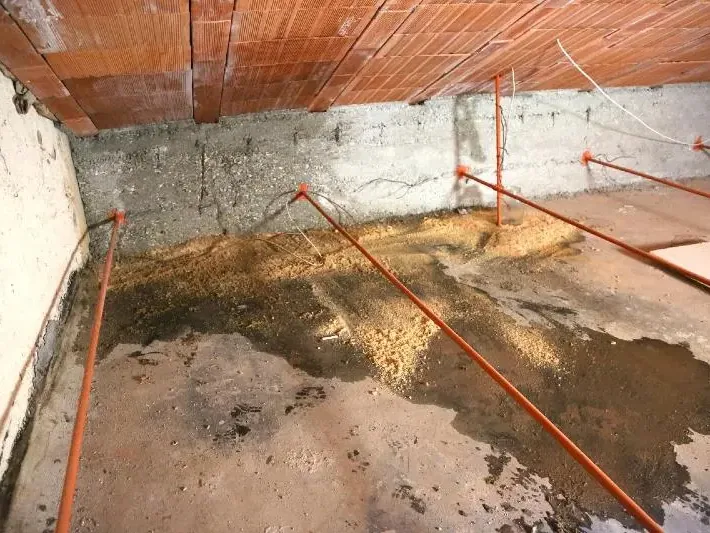
When a home has a crawl space, a leaking pipe, a failed water heater or storm water can leave the space under the floor wet, and it often goes unnoticed because nobody looks there.
How a crawl space water removal job runs, step by step
Check the space
Crews enter in protective gear, find the water source and the water type, and test joists and subfloor with a moisture meter.
Pump and remove
Standing water is pumped out, and wet insulation and torn vapor barrier are removed and bagged.
Dry from below
Air movers and dehumidifiers dry the joists, subfloor and soil surface, with readings taken at each visit.
Confirm and record
Final readings, photos and the equipment log are compiled, and the space is ready for new insulation and a barrier.
First steps for crawl space water removal right now
- Stay out of the space: Do not crawl into a wet space with standing water and electrical wiring, and keep children and pets away from the access panel.
- Shut off a possible source: If a pipe or water heater may be leaking into the space, close the main shutoff until a plumber can look at it.
- Call for water removal: Describe the access point, the amount of water you can see and the likely source so the crew can bring pumps and protective gear.
- Photograph from the opening: Take photos from the access panel of the water and any sagging insulation, because the claim will need dated images.
Water under the floor? Describe the access and a local crew will plan the pump out and dry-out.
Describe the crawl space waterGetting the water out
A small pump or extractor clears standing water, and crews work in protective gear because the space is tight and may hold contaminated water. Insulation under the floor, which absorbs water and sags, is pulled out, and the vapor barrier is checked.
- Pump out standing water from low spots
- Remove wet insulation and torn vapor barrier
- Dry joists, subfloor and pier blocks
- Check for plumbing leaks that feed the water
Drying framing from below
Joists and subfloors hold water the way sponges do, so air movers and dehumidifiers are placed in the space and sometimes vented outward. Moisture readings are taken on the joist ends and the underside of the subfloor, and the equipment stays until they settle.
When a leak under the floor is the source, the dry-out links to burst pipe water damage steps. If sewage or flood water got in, the work follows the plan for sewage backup cleanup.
Moisture below the floor also raises humidity throughout the space, which can lead to musty odors and swollen floor trim in the rooms above. Crews check the rooms above for that, along with any plumbing penetrations where water could have traveled upward.
Soil in the space can stay damp after the standing water is gone. Drying the surface with air movement and, where needed, a dehumidifier sized for the volume keeps the area from staying wet while the framing dries.
Access is often the biggest challenge. Some panels are small, so crews plan equipment placement and cord routes before entering, and they use lighting and protective gear to work safely in a tight space.
Records for the claim
Photos of the wet space, readings and the equipment record are saved for the insurer. Raised floor homes in Laguna West, Stonelake or Foulks Ranch follow the same steps, and a plumber repairs any pipe that fed the water.
Confined space and wet wiring
A crawl space is tight, dark and often holds wiring, pipes and sharp debris, and standing water adds a shock hazard and slip risk. Do not enter with water on the ground, and treat dark or foul smelling water as contaminated. A crew with the right gear and lighting should handle the work.
What does crawl space water removal cost in Elk Grove, CA?
Crawl space cost depends on how much of the space is wet, the water type and how much insulation is removed. A small leak area sits at the low end, while sewage or flood water reaches the top tier.
Small leak area
- Single wet section
- Pump out and fans
- Short drying run
Whole crawl space
- Entire space wet
- Insulation removal
- Longer equipment run
Sewage or flood water
- Contaminated water type
- Sanitizing and disposal
- Extended monitoring
Ranges are typical, not a quote: water category, square footage, material class and how fast drying started move the number most. The water damage cost calculator gives a planning range for your own rooms.
Crawl space water and insurance
A sudden leak into a crawl space is often handled like other accidental water damage, while seepage and flood water are treated differently. Photos from the access panel, readings and the plumber's finding help the adjuster. Crews document the dry-out, and the insurer decides what is paid. Keep any receipts for plumbing work, since the repair and the cause both matter to the claim.
The claim file the drying team builds holds a moisture map of every wet room, daily psychrometric drying logs, timestamped photos taken before any demolition, the water category and class of loss, and a line-item scope an adjuster can check. Sudden and accidental water from a pipe or appliance is treated differently from flood water, which most homeowners policies leave to separate flood coverage. Coverage depends on your own policy, so it is worth checking with your insurer before anything is decided. Keep copies of the photos, the readings and every invoice together, because a complete file is what keeps a water claim moving.
How a water loss is handled here, start to finish
Rapid local response
Dispatch runs 24/7 and active water is treated as urgent at any hour, across Elk Grove and the neighboring valley cities.
IICRC S500 drying standard
Truck-mounted extraction, LGR dehumidifiers and air movers sized to the class of loss, with readings logged at the same points every day.
Claim-ready documentation
Moisture maps, psychrometric logs and timestamped photos taken before any wet material is cut out, so the adjuster sees the whole loss.
Valley water experts
River-city levees, winter atmospheric river storms, older plumbing and newer subdivisions all shape how each dry-out is planned.
Crawl space water removal across Elk Grove and nearby communities
Crawl space crews serve Laguna West, Laguna Ridge, Stonelake, Franklin Reserve, East Franklin and Foulks Ranch, as well as Sheldon, Laguna Springs and Old Town Elk Grove, with dispatch open 24/7. Calls from any neighborhood reach the same crews.
The same service nearby: crawl space water removal in Sacramento, West Sacramento, Rancho Cordova.
Water damage restoration in Elk Grove › Every town covered ›Related water damage services
Crawl Space Water Removal questions in Elk Grove, CA
How do I know there is water in a crawl space?
Signs include a musty smell, sagging insulation, cold or soft floors above the space, visible water at the access panel and a rising water bill. Looking in from the access panel can confirm it. A flashlight at the access panel, without entering, is often enough to see standing water or sagging insulation.
Do all homes here have crawl spaces?
That is not confirmed, so check your own home. Homes with a raised floor can have one, and the same removal steps apply to water under any raised floor. Floor plans and the underside of the house show which type the home has.
Can I pump out a crawl space myself?
A small amount of clean water can be handled with a pump, but the space is tight and may have wiring, so larger or dark water is safer left to a crew. Wet vacuums and small pumps also pull dirt and debris, so the discharge point matters.
Does wet insulation under the floor have to be replaced?
Usually, yes. Wet insulation sags, holds water against the subfloor and does not dry well, so it is removed and replaced after the space is dry. Foil faced or foam products can sometimes be dried, but fiberglass batts that sag are normally replaced.
How long does a crawl space take to dry?
It depends on how much water and which materials are wet. Joists, subfloor and soil dry at different rates, and readings decide when the equipment can leave. Cooler, still air slows drying, so ventilation and dehumidifiers help in winter.
What if the water in the crawl space is sewage?
Sewage and flood water are contaminated, so the job includes protective gear, disposal of porous materials and sanitizing before drying. Standing water that smells like a drain or looks dark is treated as contaminated until tested.
Who fixes the source of the water?
A plumber fixes a leaking pipe or heater. The drying crew pumps out and dries the space and works around that repair. Plumbers can also check for supply or drain pipe leaks under the floor that keep feeding the water.
Will insurance cover crawl space water damage?
It depends on the cause. A sudden leak is often treated differently from seepage or flood water, so ask your insurer and keep photos and records. Photos from the access panel, even before the crew arrives, help the adjuster see the starting point.
Crawl space water in your Elk Grove home?
One call sets up pumping, insulation removal and drying, with photos and logs kept for the claim.
(888) 774-9605Reach the crawl space crew