Crawl Space Water Removal in West Sacramento, CA
(888) 774-9605Water under the house? Call the pump crew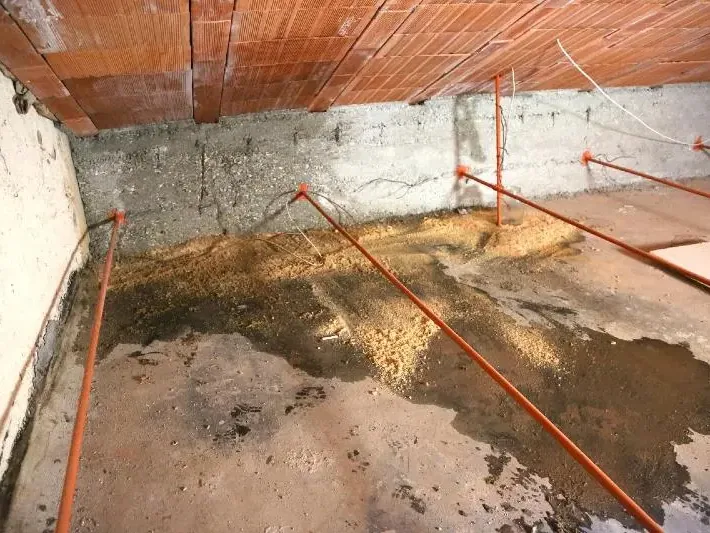
Not every house has one, but where a home sits on a raised floor, the crawl space underneath is a hidden part of the building. A broken pipe, a drain that backed up or storm water that found its way under the foundation can fill it with water, and nobody notices until the floor above feels soft or the air indoors smells damp.
How a crawl space water removal job runs, step by step
Inspect and measure
The crew examines the space and checks the joists, subfloor and insulation with moisture meters, and a plan is set for pumping and drying
Pump out the water
Submersible pumps lower the water level to the floor, and the discharge is routed away from the house, so the space is emptied as fully as it can be
Remove wet material
Soaked insulation, debris and damaged vapor barrier are taken out so the wood can release moisture, and bags are carried out through the access opening
Dry and verify
Air movers and dehumidifiers run until readings at several points on the framing match a dry reference.
First steps for crawl space water removal right now
- Stop the source: If a pipe is leaking, shut off the water at the main valve, and keep power off to the crawl space if there is standing water near wiring.
- Stay out of the space: Do not crawl under the house yourself, because standing water, wiring and tight quarters make it hazardous and hard to leave quickly.
- Check the floor above: Note any soft spots, cupped boards or a damp smell inside, since they show how far the moisture has climbed.
- Take photos if safe: Use the access opening to photograph the water and the damage, and keep dated copies for the claim.
Floor feeling soft or a damp smell rising? Call now and the crawl space gets pumped and dried.
Request an under-floor checkWorking in a tight space
A small pump is lowered or passed into the space and the water is drained away to a safe discharge point. Crews work in coveralls and respirators because the area is cramped, dim and sometimes contaminated. After the water is out, wet insulation hangs low and is pulled down, and loose debris is cleared so air can move.
What the water reaches
Floor joists, the underside of the subfloor, plumbing and ductwork all sit within reach of rising water. Wood that stays wet can warp or weaken, and wet insulation sags and pulls away. Moisture meters measure the wood at several points, and a thermal camera on the rooms above shows whether water has climbed toward the living space.
Houses in Broderick and Bryte, and newer Southport homes in Gateway, Newport or River Ranch, may differ in how they are built, so the crew checks what the actual home has before planning the job. Water in this space can come from several sources:
- a leaking or burst supply pipe
- a failed drain or sewer connection
- storm water seeping under the home
- a leaking water heater or appliance above
Dry before it is closed up
Air movers and dehumidifiers dry the space, sometimes with ducting to move air through. If the water was sewage or storm runoff, see sewage backup cleanup, and the drying plan follows structural drying methods until the wood reads dry.
Water under the floor does not stay put
Moisture climbs into the subfloor, the joists and the rooms above, and damp wood that sits for long can weaken. If the floor feels spongy or the house smells musty, act early. Prompt pumping and drying often saves the framing from replacement. Moisture left in the space can also drift upward into floors and cabinets, so the floor above is checked during the job.
What does crawl space water removal cost in West Sacramento, CA?
Crawl space water removal here typically costs $1,500 to $6,000, depending on how large the space is and how long the water stood. The water damage cost calculator gives a planning range. Contaminated water or a long wet period pushes the work into the upper tier.
Small leak area
- A small wet section
- Spot pumping
- Local framing dried
Whole crawl space
- Entire space flooded
- Insulation removed
- Several days of drying
Sewage or flood water
- Contaminated water
- Sanitizing needed
- Heavy tear-out
Ranges are typical, not a quote: water category, square footage, material class and how fast drying started move the number most. The water damage cost calculator gives a planning range for your own rooms.
Crawl space claims and what insurers look at
Coverage depends on the source. A sudden pipe failure is commonly covered, while groundwater seepage or outside flooding often is not without a separate policy. The crew documents the source, the depth of the water, the wet framing and each reading in a dated file. Keep photos of the water height, the failed pipe or drain and any wet items brought up from below.
The claim file the drying team builds holds a moisture map of every wet room, daily psychrometric drying logs, timestamped photos taken before any demolition, the water category and class of loss, and a line-item scope an adjuster can check. Sudden and accidental water from a pipe or appliance is treated differently from flood water, which most homeowners policies leave to separate flood coverage. Coverage depends on your own policy, so it is worth checking with your insurer before anything is decided. Keep copies of the photos, the readings and every invoice together, because a complete file is what keeps a water claim moving.
How a water loss is handled here, start to finish
Rapid local response
Dispatch runs 24/7 and active water is treated as urgent at any hour, across West Sacramento and the neighboring valley cities.
IICRC S500 drying standard
Truck-mounted extraction, LGR dehumidifiers and air movers sized to the class of loss, with readings logged at the same points every day.
Claim-ready documentation
Moisture maps, psychrometric logs and timestamped photos taken before any wet material is cut out, so the adjuster sees the whole loss.
Valley water experts
River-city levees, winter atmospheric river storms, older plumbing and newer subdivisions all shape how each dry-out is planned.
Crawl space water removal across West Sacramento and nearby communities
Crawl space crews cover all of West Sacramento, from Broderick, Bryte and the Town of Washington to Southport, Arlington Oaks, Linden, Gateway and Newport, with 24/7 dispatch for any water under a raised floor.
The same service nearby: crawl space water removal in Sacramento, Davis, Elk Grove.
Water damage restoration in West Sacramento › Every town covered ›Related water damage services
Crawl Space Water Removal questions in West Sacramento, CA
How does water get into a crawl space?
Common routes are a leaking supply pipe, a failed drain, a leaking water heater above or storm water that finds a way under the home. The source shapes how the cleanup is done. Whatever the source, the space is dried only after the water has stopped entering.
Is it safe to go into a flooded crawl space myself?
No. Standing water can reach wiring, the space is tight and the air can be contaminated. Crews use protective gear and pumps made for the job, so leave entry to them.
Can wet insulation under the floor be dried?
Rarely. Insulation absorbs water and falls away from the joists once wet, so it is removed. The framing is then dried and new insulation is installed after readings confirm dry wood. If insulation is removed, the joists get a clear view for drying and for later checks.
How do I know the floor above is affected?
Look for soft or cupped boards, a musty smell or damp carpet. A thermal camera and meters inside the rooms show whether moisture has climbed through the floor. Cupped boards, soft spots and a musty smell are the usual signs that moisture has climbed upward.
How long does a crawl space take to dry?
Pumping takes hours, but drying the wood usually takes several days. Equipment stays until meters read dry at multiple points on the joists and subfloor. Larger spaces and thick framing can take longer, and the crew rechecks on each visit.
Will insurance cover crawl space water?
It depends on the source. Sudden plumbing failures are often covered, while groundwater or outside flood water may not be. Report early, photograph the damage and read your policy. Photographs of the standing water and the failed part are among the most useful items for a claim.
What if the crawl space water is sewage?
Then it is Category 3 and the job changes. Contaminated material is removed, surfaces are disinfected and drying follows, with protective gear used throughout. Disinfecting follows the removal so that the remaining wood is treated before it is dried.
Should I worry about the ducts under the house?
Wet or sagging ductwork and insulation are checked. Ducts that took on water or contaminants may need to be cleaned or replaced, which the crew flags in its report. Insulated ducts that stay wet can lose their value, so they are inspected and reported.
Water under the house? Get it pumped and dried properly.
The space is pumped out, wet insulation and debris are removed and the framing is dried to a reading, with photos and notes for your insurer.
(888) 774-9605Get the under-floor pump-out started