Sewage Backup Cleanup in West Sacramento, CA
(888) 774-9605Sewage on the floor? Call the cleanup crew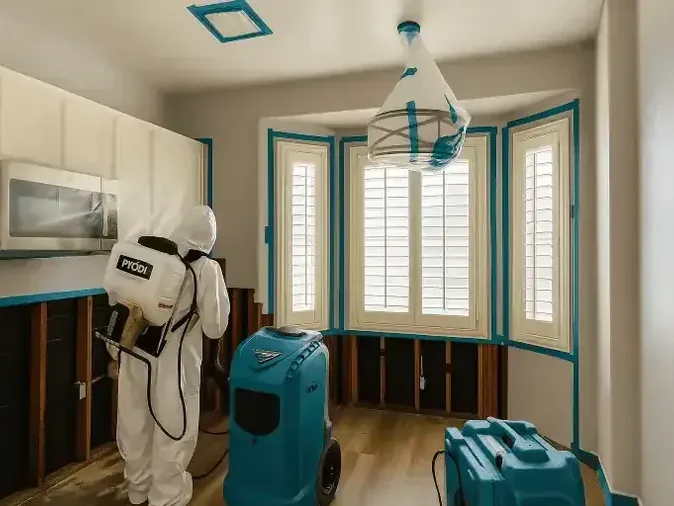
A sewage backup is not an ordinary leak. Water that comes up through a floor drain, tub or toilet carries bacteria and other contaminants, so the cleanup is run as a controlled job, with the area isolated, protective gear worn and everything porous that the water touched treated as waste.
The speed of a response matters here for health reasons as much as for property reasons, because contaminated water that sits on porous materials lets bacteria multiply and spread through the building.
How a sewage backup cleanup job runs, step by step
Contain the area
Barriers and airflow control keep contaminated air from moving into clean rooms while the job is underway, with negative air kept running for the length of the job
Remove the contamination
Sewage is pumped out and carpet, pad, insulation and affected drywall are bagged and carried out for disposal, and bags are sealed before they leave the room
Wash and disinfect
Remaining hard surfaces are scrubbed and treated with an antimicrobial, then rinsed, to bring them to a safe standard.
Dry and confirm
Dehumidifiers and air movers dry the structure, and meter readings verify it before rebuilding or return, at each visit until the readings settle
First steps for sewage backup cleanup right now
- Stay out of the area: Keep children, pets and everyone else away from the affected room, and do not walk through the water or touch it without protective gear.
- Stop using the drains: Avoid flushing toilets, running the dishwasher or washing clothes, since more water entering the pipes will push more sewage out of the drain.
- Open windows if safe: Fresh air helps with odor, but leave the cleanup, including bagging wet items, to trained crews with the right protective equipment.
- Take photos from a distance: Photograph the affected room and damaged items without stepping in the water, then call your plumber and the cleanup crew.
Sewage on the floor? Keep out of it and call for a protected cleanup at any hour.
Contain the sewage backup nowContained before it is cleaned
Plastic barriers and negative airflow keep the affected room from spreading contamination into clean areas. Pumps and wet vacuums then remove the liquid, and carpet, pad, insulation and the lower part of the drywall are bagged and carried out. Solid surfaces such as concrete, tile and sealed wood stay, but only after they are washed and disinfected.
Who is at risk in a backup
Backups hit single-family houses and rental units alike. Bathrooms and laundry areas tend to receive the water first, and in buildings with shared pipes the overflow can reach neighboring units. In areas such as Bryte, Broderick and the Southport neighborhoods of Gateway and Newport, the cleanup steps are identical.
Signs of a backup worth acting on:
- gurgling drains or toilets that bubble
- water rising in a tub or floor drain
- a sour sewage odor near a drain
- several fixtures backing up together
Cleaned, disinfected and verified
After removal, surfaces get an antimicrobial treatment and the area is dried with dehumidifiers and air movers, following structural drying practice. Moisture readings confirm the structure is dry. If the water spread into an under-floor space, see crawl space water removal. A plumber clears the blockage separately.
Disposal follows the same care as the cleanup, with contaminated material bagged and removed rather than left in a garage or on the curb. Where a backup came from a main drain, a plumber may need to clear the blockage before cleanup can be finished, so the two trades often work side by side.
Sewage backups are a health matter first
The water carries bacteria and viruses that can cause illness through skin contact or breathing. Do not try to mop it up with household tools. Keep people and pets out, stop using the drains and call for a protected cleanup so the contamination is removed completely. Children, older adults and anyone with a weak immune system face the highest risk from contaminated water.
What does sewage backup cleanup cost in West Sacramento, CA?
Sewage backup cleanup typically costs $2,000 to $10,000, based on how much floor and wall the contamination reached. The water damage cost calculator gives a quick planning range. Spread into carpet, walls and under-floor spaces moves a job into the middle and upper tiers.
Bathroom or laundry
- One small area affected
- Porous items removed
- Disinfected and dried
Several rooms
- Spread beyond one room
- Drywall cut out
- Containment barriers
Large backup
- Whole level affected
- Extensive tear-out
- Extended drying run
Ranges are typical, not a quote: water category, square footage, material class and how fast drying started move the number most. The water damage cost calculator gives a planning range for your own rooms.
Sewage claims and what insurers look at
Many policies pay for a sudden backup only with a water backup endorsement, so ask whether yours includes one. The crew documents the source, the extent of contamination and each cleanup step with photos and written notes. Your policy and the cause of the backup decide what is covered. Ask your insurer for the exact wording on sewer or drain backup, since it is often a separate add-on.
The claim file the drying team builds holds a moisture map of every wet room, daily psychrometric drying logs, timestamped photos taken before any demolition, the water category and class of loss, and a line-item scope an adjuster can check. Sudden and accidental water from a pipe or appliance is treated differently from flood water, which most homeowners policies leave to separate flood coverage. Coverage depends on your own policy, so it is worth checking with your insurer before anything is decided. Keep copies of the photos, the readings and every invoice together, because a complete file is what keeps a water claim moving.
How a water loss is handled here, start to finish
Rapid local response
Dispatch runs 24/7 and active water is treated as urgent at any hour, across West Sacramento and the neighboring valley cities.
IICRC S500 drying standard
Truck-mounted extraction, LGR dehumidifiers and air movers sized to the class of loss, with readings logged at the same points every day.
Claim-ready documentation
Moisture maps, psychrometric logs and timestamped photos taken before any wet material is cut out, so the adjuster sees the whole loss.
Valley water experts
River-city levees, winter atmospheric river storms, older plumbing and newer subdivisions all shape how each dry-out is planned.
Sewage backup cleanup across West Sacramento and nearby communities
Sewage backup crews work across West Sacramento, including Broderick, Bryte, the Town of Washington, Southport, Arlington Oaks, Linden, Gateway and River Ranch, with 24/7 dispatch day and night for any contaminated water and every street between them
The same service nearby: sewage backup cleanup in Sacramento, Davis, Elk Grove.
Water damage restoration in West Sacramento › Every town covered ›Related water damage services
Sewage Backup Cleanup questions in West Sacramento, CA
What should I do first if sewage backs up?
Stay out of the water, keep everyone away and stop using the drains. Then call for a protected cleanup and a plumber, because the water is Category 3 and not safe to handle without gear. Rubber boots, gloves and a mask are not a substitute for a full protective setup when the volume is larger than a spill.
Why must carpet and drywall be removed after sewage?
Porous materials absorb contaminated water and cannot be fully cleaned. Leaving them in place keeps bacteria in the home, so carpet, pad and wet drywall are removed rather than treated. Subfloors and framing may also be treated, because they can hold contamination below the visible surface.
Can I clean up a small sewage backup myself?
It is not recommended. Even a small backup carries pathogens, and household cleaners do not reach what soaked into porous materials. Professional crews use protective gear and approved disinfectants.
Is sewage cleanup the plumber's job?
The plumber clears the blockage and repairs the pipe. The restoration crew removes the contaminated water and materials, disinfects the area and dries it. A full recovery usually needs both. Jobs often involve both trades together, since water must be stopped at the source before cleanup can finish.
Will insurance pay for sewage backup cleanup?
Often only if a water backup endorsement is on the policy. Without it, claims may be denied. Read your coverage and report the loss early, with photos of the affected area.
How long does sewage cleanup take?
Removal and disinfection often take a day or two, followed by several days of drying. Larger backups and hidden spread behind walls extend the schedule, and readings decide when it is complete.
Does the smell go away after cleanup?
Yes when the source materials are removed and the surfaces are disinfected and dried. Lingering odor usually means contaminated material or moisture is still present and needs another look. A deodorizing step may follow for odors that cling to concrete or framing.
Can sewage backup cleanup be done while I live in the house?
Only when the affected area is sealed off and the rest of the home stays clean. For anything beyond a small bathroom, many households stay elsewhere until the contaminated area is removed, disinfected and confirmed dry.
Wastewater inside the house? Get it cleaned out safely.
Protected crews remove the contaminated water, take out porous materials, disinfect the area and dry it, with a documented record for your insurer.
(888) 774-9605Call for protected cleanup