Water Extraction in West Sacramento, CA
(888) 774-9605Water on the floor now? Call the pump crew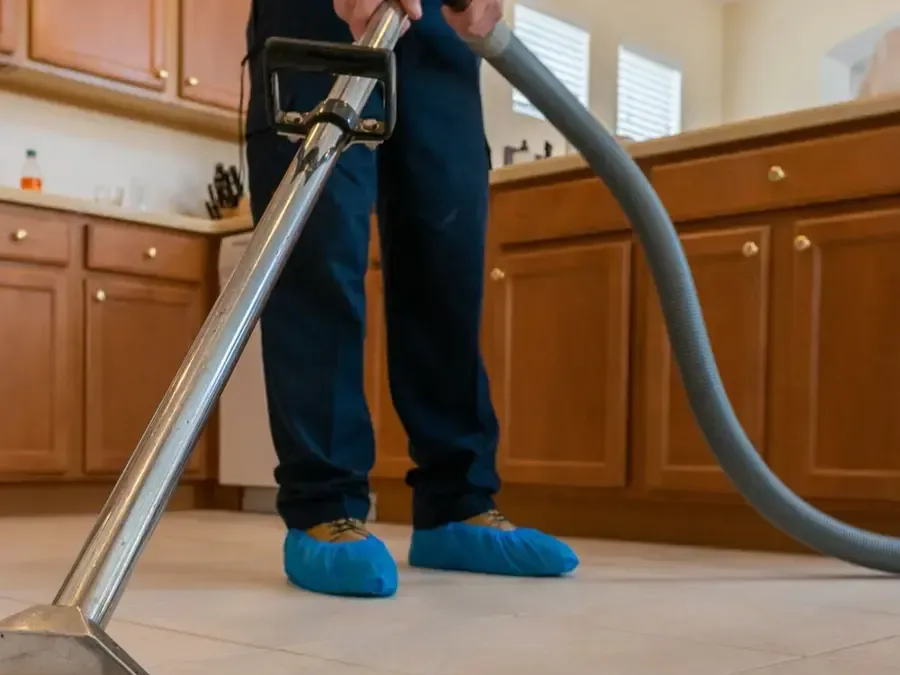
Water extraction is the opening move of every wet-structure job, and the faster it starts the less the floor, the pad and the base of the drywall can soak up. In West Sacramento the cause might be rain pushed under a door, a washer hose that let go or a pipe that burst overnight, and the removal method follows the volume and the source.
Crews arrive with pumps, hoses and meters already loaded, since the first step is rarely the same twice. A kitchen with an inch of water needs a different approach than a garage with six inches, and the plan is set only after the wet area has been measured.
How a water extraction and removal job runs, step by step
Test and sort
A moisture meter and thermal camera size up the wet area, and the water category is identified before any tool is chosen.
Pump the depth
Submersible pumps take deep water down first, so the floor can be reached and the pad stops sitting in a pool.
Extract the surface
Weighted wands and vacuums draw water from carpet, pad and hard floors, and pad that cannot be saved is cut out and removed.
Hand off to drying
Readings are logged, then air movers and dehumidifiers go in so the structure truly dries instead of only looking dry.
First steps for water extraction and removal right now
- Stop the source: If water is still arriving from a pipe, hose or appliance, close the nearest shutoff or the main, and cut power to wet areas only when that is safe to reach.
- Lift what you can: Move rugs, small furniture and electronics onto dry surfaces and prop up wet cushions, so fewer belongings sit in the water while pumps are arranged.
- Stay out of deep water: Standing water near outlets can carry current, and storm water can carry contamination, so keep children and pets out until it is removed.
- Photograph before removal: Take wide and close photos of how high the water stands, the damaged items and the source before anything is pumped out or thrown away.
Pools spreading across the floor? Call now and the pump crew gets the water moving out.
Start pumping the water outPumps first, wands second
Deep water goes to a submersible pump first, which empties a flooded room or garage far faster than any vacuum. Once the depth drops to a film, weighted extraction wands and portable or truck-mounted units pull water out of carpet and pad, while squeegee tools move it off tile, vinyl and sealed concrete. Hardwood gets a gentler pass, with water lifted from the surface and the boards checked for cupping before drying gear goes in.
Where the water came from matters
Clean supply water, such as a washer overflow, is Category 1 and can often be extracted and dried in place. Water that has crossed floors, collected dirt or sat for a while is treated as Category 2, and anything carrying sewage or river and storm water is Category 3, where porous materials come out instead of being saved. The Sacramento area has a long record of winter storms, including the atmospheric rivers of January 2023, so the first job is sorting one category from another.
Older homes in Broderick and Bryte and newer houses in Southport, Bridgeway or River Ranch follow the same rule: remove the water, then measure what is left. Wet carpet is lifted, and pad is cut out and discarded because it holds water no wand can reach.
What happens after the pumps stop
Extraction rarely ends a job. Moisture meters and a thermal camera show where water traveled beyond the visible puddle, into wall bottoms, under cabinets and beneath flooring, and those readings set the drying plan. The next phase is structural drying, and storm-sized losses are covered under flood water cleanup.
Waiting turns a small removal into a big one
Drywall wicks water upward, pad swells and hardwood starts to cup while a puddle sits. Gray or dirty water also carries bacteria, so delay can turn a simple pump-out into a contaminated cleanup. Call once the source is stopped, at any hour. Pad and drywall also hold water long after the surface looks dry, which is why readings, not sight, confirm the removal.
What does water extraction and removal cost in West Sacramento, CA?
Water extraction here typically costs $400 to $3,500 for most homes, rising with the size of the area and the water category. The water damage cost calculator gives a planning range before the visit.
Single room
- One room of standing water
- Pad lifted and discarded
- Surface dried after pumping
Several rooms
- Water crossed doorways
- Wands and pumps in use
- Wall bottoms checked
Large or contaminated
- Category 3 water present
- Porous materials removed
- Sanitizing before drying
Ranges are typical, not a quote: water category, square footage, material class and how fast drying started move the number most. The water damage cost calculator gives a planning range for your own rooms.
Extraction claims and what insurers look at
Policies usually respond to sudden water, such as a burst pipe or appliance failure, and treat gradual seepage or outside flooding differently. The crew records the water category, the depth, the start time you reported and photos of the affected rooms, so the adjuster reads a dated record, and your own policy wording decides what is paid. Keep receipts for any emergency steps you take, since they can be part of the claim.
The claim file the drying team builds holds a moisture map of every wet room, daily psychrometric drying logs, timestamped photos taken before any demolition, the water category and class of loss, and a line-item scope an adjuster can check. Sudden and accidental water from a pipe or appliance is treated differently from flood water, which most homeowners policies leave to separate flood coverage. Coverage depends on your own policy, so it is worth checking with your insurer before anything is decided. Keep copies of the photos, the readings and every invoice together, because a complete file is what keeps a water claim moving.
How a water loss is handled here, start to finish
Rapid local response
Dispatch runs 24/7 and active water is treated as urgent at any hour, across West Sacramento and the neighboring valley cities.
IICRC S500 drying standard
Truck-mounted extraction, LGR dehumidifiers and air movers sized to the class of loss, with readings logged at the same points every day.
Claim-ready documentation
Moisture maps, psychrometric logs and timestamped photos taken before any wet material is cut out, so the adjuster sees the whole loss.
Valley water experts
River-city levees, winter atmospheric river storms, older plumbing and newer subdivisions all shape how each dry-out is planned.
Water extraction and removal across West Sacramento and nearby communities
Water extraction crews reach every West Sacramento neighborhood, from Broderick, Bryte and the Town of Washington to Southport, Arlington Oaks, Linden, Gateway and Newport, with 24/7 dispatch for any standing water, whatever the hour
The same service nearby: water extraction and removal in Sacramento, Davis, Elk Grove.
Water damage restoration in West Sacramento › Every town covered ›Related water damage services
Water Extraction and Removal questions in West Sacramento, CA
How fast does water extraction need to start?
As soon as the source is stopped. Drywall, pad and wood begin absorbing water immediately, and every extra day pushes moisture deeper into framing and under flooring. Removal right away usually means fewer materials to tear out later. Even a short delay is worth avoiding, because water spreads under baseboards and into wall bottoms faster than most people expect.
What does a water extraction crew actually remove?
Standing water first, using pumps and wands, then water held in carpet, pad and the surface of hard floors. Damaged pad is cut away. Water inside walls and subfloors is handled in the drying phase that follows.
Can I use a wet vacuum from the hardware store?
A household wet vacuum helps with small spills, but it moves little volume and leaves water in the pad. Professional extraction units draw far more and are paired with moisture meters that show what remains.
Is stormwater handled differently from pipe water?
Yes. Storm or river water is Category 3, meaning it may carry contaminants, so affected carpet and pad are removed and surfaces are sanitized. Clean supply water is treated more simply. Crews wear protective gear for that water, and the remaining materials are washed with an antimicrobial before drying begins.
Does extraction dry the room by itself?
No. It removes bulk water, but the materials stay wet. Dehumidifiers and air movers must follow, and readings are logged until walls, subfloor and flooring reach a dry standard. Skipping the drying phase is the most common reason damp smells and swollen baseboards show up weeks after a cleanup.
Will my carpet be saved?
Often yes when the water was clean and was caught quickly, since carpet can be cleaned and dried in place. The pad underneath is usually replaced. Contaminated water means the carpet goes too.
Does water extraction work in a rental unit?
It does, and speed matters even more there. Water in one unit can reach a neighbor's ceiling or wall, so the crew notes the source and spread, which helps tenants, landlords and insurers sort out the claim.
Does the crew need to cut into the walls during extraction?
Not usually at this stage. Extraction deals with water on and in floors and carpet. If meters show water inside a wall, the crew opens a small section, often along the bottom, so the cavity can be dried, but nothing is cut without a reading to justify it.
Standing water in the house? Get it removed properly.
Pumps, wands and moisture meters take the water out and show what is still wet, so drying starts on solid readings and the claim file is complete.
(888) 774-9605Send the pump crew