Water Extraction in Elk Grove, CA
(888) 774-9605Get the floor pumped dry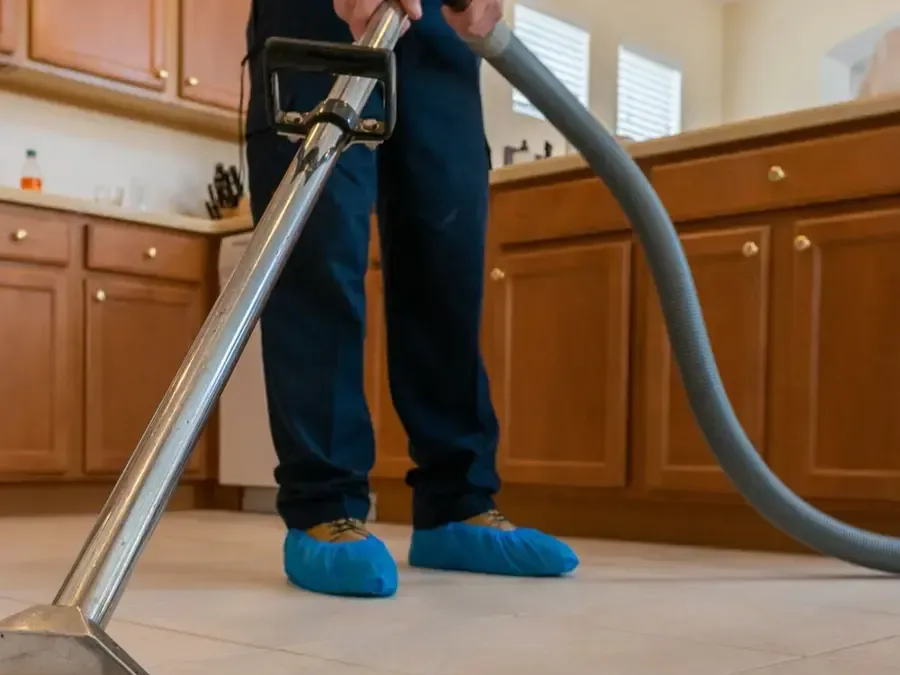
Water extraction is the first job on almost every wet floor, because every hour standing water sits, it moves into baseboards, drywall and subfloors. In Elk Grove, rain from December to March and the occasional main break can leave rooms and garages under water, so the crew's first goal is to get the bulk of it out before drying equipment goes in.
How a water extraction and removal job runs, step by step
Assess the water
Crews identify the source and the water category, and they scan floors and walls with a moisture meter to find how far the water has traveled.
Remove the bulk
Pumps and extractors clear standing water first, and wands finish carpet, padding and hard flooring so less water is left to evaporate.
Open up wet areas
Baseboards come off and small sections of wet drywall or padding are cut out, because trapped water behind them keeps the structure wet.
Hand off to drying
Air movers and dehumidifiers go in once the water is out, and daily readings show when the structure has reached its dry target.
First steps for water extraction and removal right now
- Make the area safe: Shut off the water source if it is still running, and stay clear of outlets, cords and appliances near the standing water until power has been checked.
- Call for extraction: Describe the water, the rooms affected and the likely source so dispatch can send the right pumps, extractors and protective gear for the job at hand.
- Photograph the loss: Take photos of the water line, damaged belongings and the source before anything is moved, because dated images support an insurance claim later on.
- Pump and extract: Crews remove deep water with pumps, lift the rest from carpet, padding, hard floors and wall bases, and record moisture readings that shape the drying plan.
Water on the floor right now? Describe the situation and a local crew will explain the extraction plan.
Explain the floodingHow the water gets pulled out
Truck mounted pumps clear deep water first, then wand extractors pull the remaining water from carpet, padding and hard floors. Suction is matched to each surface so finished floors are handled with care. The January 2018 main break near Laguna Springs Drive showed how quickly streets and yards can flood, and any home that takes on water needs the same steady removal.
The usual sequence:
- Stop the source and assess the water category
- Pump out deep water, then extract from carpet and padding
- Check walls, baseboards and subfloors with a moisture meter
- Hand off to dehumidifiers and air movers for drying
Why early removal protects the structure
Water wicks upward into drywall and sideways under flooring, and padding acts like a sponge. Pulling the bulk of it out early cuts the drying load and often decides whether carpet and baseboards can be saved. Clean water left alone also turns into a bigger problem as it picks up contamination.
Winter is the busy season, because January, February and March bring the most rain, and a nearly dry summer means roofs, gutters and door thresholds meet their first real test in the first storms. A wet garage or ground floor after one of those storms is a common reason for a call.
Sewage or creek water changes the plan, because contaminated water needs protective gear and removal of porous materials. Those jobs move to sewage backup cleanup. The crew sorts out the water type before any pump starts.
Drying starts once the water is out
After extraction, structural drying finishes the job with air movers and dehumidifiers. Readings from a moisture meter show which walls and floors are still wet, and equipment stays in place until those numbers settle. Homes in Laguna West, Stonelake and East Franklin get the same process as any other address, with the plan adjusted to the rooms involved.
Standing water and electricity
Water that reaches outlets, floor level wiring or appliances can energize the wet area. If water is deep, near the panel or has an unknown source, stay out of the room and call before touching switches, and never use a household vacuum on standing water. Sewage, creek water and anything that smells like a drain should also be treated as contaminated until a crew confirms the water type.
What does water extraction and removal cost in Elk Grove, CA?
Most extraction jobs fall into three size bands, from a single room to a large or contaminated loss. The final figure depends on water depth, the category of water, the flooring involved and how many materials were soaked.
Single room
- One room or bathroom affected
- Wand extraction of carpet
- Short drying period
Several rooms
- Two or more rooms wet
- Pump out and padding removal
- Moisture mapping included
Large or contaminated
- Deep or dark water
- Protective gear and disposal
- Extended drying equipment
Ranges are typical, not a quote: water category, square footage, material class and how fast drying started move the number most. The water damage cost calculator gives a planning range for your own rooms.
Water extraction and your insurance claim
Claims for sudden water, such as a burst pipe or a failed hose, usually start with proof of the loss. Dated photos, moisture readings and a list of removed materials give an adjuster what is needed, while the policy itself decides what is covered. Extraction records are kept for the file. Flood water from outside the home is often treated under different terms, so check the policy wording early.
The claim file the drying team builds holds a moisture map of every wet room, daily psychrometric drying logs, timestamped photos taken before any demolition, the water category and class of loss, and a line-item scope an adjuster can check. Sudden and accidental water from a pipe or appliance is treated differently from flood water, which most homeowners policies leave to separate flood coverage. Coverage depends on your own policy, so it is worth checking with your insurer before anything is decided. Keep copies of the photos, the readings and every invoice together, because a complete file is what keeps a water claim moving.
How a water loss is handled here, start to finish
Rapid local response
Dispatch runs 24/7 and active water is treated as urgent at any hour, across Elk Grove and the neighboring valley cities.
IICRC S500 drying standard
Truck-mounted extraction, LGR dehumidifiers and air movers sized to the class of loss, with readings logged at the same points every day.
Claim-ready documentation
Moisture maps, psychrometric logs and timestamped photos taken before any wet material is cut out, so the adjuster sees the whole loss.
Valley water experts
River-city levees, winter atmospheric river storms, older plumbing and newer subdivisions all shape how each dry-out is planned.
Water extraction and removal across Elk Grove and nearby communities
Extraction crews work throughout Elk Grove, including Laguna West, Laguna Ridge, Stonelake, East Franklin, Franklin Reserve and Foulks Ranch. Dispatch stays open 24/7 for homes, garages and small businesses in Sheldon, Laguna Springs and every other neighborhood in town.
The same service nearby: water extraction and removal in Sacramento, West Sacramento, Rancho Cordova.
Water damage restoration in Elk Grove › Every town covered ›Related water damage services
Water Extraction and Removal questions in Elk Grove, CA
How does water extraction differ from drying?
Extraction physically removes standing water with pumps and wands, while drying uses air movers and dehumidifiers to pull out the moisture left in materials. Both are needed, and extraction comes first because it removes most of the water.
Can I extract water myself with a wet vacuum?
A household wet vacuum can lift a small spill, but it cannot keep pace with an inch of water across a room and it leaves padding and subfloors wet. Larger losses need pumps and truck mounted extractors.
Does winter rain in Elk Grove cause flooding indoors?
Heavy winter storms can push water through door thresholds, garages and failed roof or gutter details. January averages 3.5 inches of rain, so extraction calls rise when the first big storms follow a dry summer.
What happens to the carpet and padding after extraction?
Carpet from clean water caught early can often be lifted, cleaned and dried in place, but padding is usually discarded. Carpet soaked by sewage or creek water is removed along with its padding. Moisture readings decide each case.
How do crews know all the water is gone?
Moisture meters and thermal cameras check walls, baseboards and floors that look dry on the surface. Readings are compared against dry reference points, and equipment stays until the structure matches them. Surface dryness alone is never the test.
What if the water came from a main break outside?
A broken main can flood a yard, garage or ground floor, as the January 2018 break near Laguna Springs Drive flooded streets and Snowy Springs Circle. Crews pump out whatever entered the home and test for contamination before drying.
Is extraction available at night or on weekends?
Yes. Dispatch runs 24/7, and standing water does not wait for business hours, so a call at midnight or on a holiday is treated the same as a call on a weekday. Crews stay on the job until the water is out.
Should I move furniture before extraction begins?
Lift small items and electronics off wet floors if the area is safe, but leave heavy furniture alone. Crews move and block it up so wet carpet and wood are not stained by furniture legs.
Standing water in an Elk Grove home or shop?
One call gets pumps and extractors lined up for the job, with moisture checks and a drying plan to follow once the water is out.
(888) 774-9605Reach the extraction crew now