Flood Water Cleanup in Elk Grove, CA
(888) 774-9605Talk to a flood crew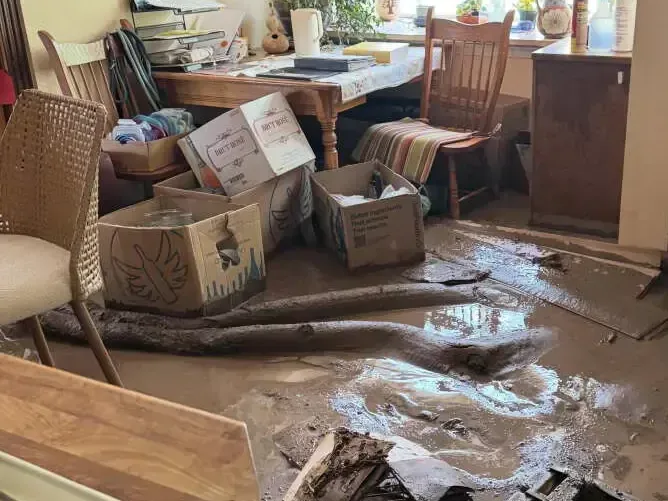
Flood water is different from a leaking pipe, because it arrives from outside and brings soil, debris and bacteria with it. The city's drainage plan covers 13 watersheds and names Laguna Creek and Elk Grove Creek among its channels, and development adds hard surfaces that speed runoff, so heavy storms can push water where it does not belong.
How a flood water cleanup job runs, step by step
Assess the water type
The crew checks where the water came from and treats outside water as contaminated, which sets the protective gear, the disposal plan and the sanitizing steps.
Remove water and silt
Pumps lower the water level first, and then shovels, vacuums and extractors clear the mud and debris that settle on floors and in corners.
Strip and sanitize
Soaked padding, insulation and low drywall are cut out and bagged, and the remaining framing and floors are washed and treated with a sanitizer.
Dry and verify
Air movers and dehumidifiers run until moisture meters show the structure at its dry target, and the readings are recorded for the file.
First steps for flood water cleanup right now
- Stay out of the water: Avoid wading through flood water, which can hide electrical hazards and contamination, and keep children and pets away from the affected rooms. Cut power only if the panel is dry.
- Call and describe it: Tell dispatch where the water came from, how deep it is and which rooms it reached, so the right pumps, protective gear and sanitizing supplies are loaded.
- Document the damage: Photograph the water line, damaged belongings and any debris before cleanup starts, and keep a list of what was lost for the claim.
- Remove and clean: Crews pump out the water, clear silt, remove materials that cannot be saved, and sanitize the surfaces that remain before drying begins.
Flood water in the house or garage? Describe it and a local crew will lay out the cleanup plan.
Describe the flooding to a crewWhat flood cleanup involves
The first pass removes water and heavy silt, then crews strip out materials that cannot be cleaned, such as soaked padding, insulation and low drywall. Hard surfaces are washed and sanitized, and what remains is dried with air movers and dehumidifiers until moisture readings reach the target. Belongings are sorted so salvageable items are separated from those that must be discarded.
Typical scope:
- Pump out water, then shovel or vacuum away silt
- Remove padding, insulation and wet drywall
- Wash and sanitize floors, studs and surviving walls
- Dry the structure and log moisture readings
Salvage decisions follow the water type: hard goods from clean water often survive, while soft goods from contaminated water rarely do.
A main break can flood a home too
Flooding is not only a creek event. On January 24, 2018, a water main break near Elk Grove Boulevard and Laguna Springs Drive flooded streets including Snowy Springs Circle, and police went door to door to check whether water had entered homes. A broken main on Franklin Boulevard on June 25, 2013 also closed part of the road.
Water from outside the home is treated as contaminated until proven otherwise, which is why cleanup includes protective gear, disposal of porous materials and sanitizing, not just drying. Sewage from an overloaded drain falls under sewage backup cleanup.
After the water is gone
Once silt and debris are out, structural drying takes over. Walls, subfloors and framing hold moisture long after the surface looks fine, so crews check them with meters and keep equipment running until readings settle. Garages and ground floors in Laguna West, Stonelake and Franklin Reserve follow the same steps as any other address in town.
Photos, moisture logs and disposal lists are kept for the whole job, so the insurance file shows what the water reached and what was removed.
Treat flood water as contaminated
Water that came from a creek, a street or a backed up drain can carry bacteria and chemicals. Do not walk through it barefoot, run a household vacuum in it or keep food that touched it. Wear boots and gloves if you must enter. Wait for a crew to confirm the water type before moving wet materials.
What does flood water cleanup cost in Elk Grove, CA?
Flood cleanup costs climb with the depth of the water, the area covered and whether the water was contaminated. A garage or one room sits at the low end, while a whole ground floor with demolition and sanitizing reaches the top tier.
Garage or one room
- Water and silt removal
- Padding and baseboards out
- Sanitizing of floors
Several rooms
- Multiple rooms and hallways
- Drywall cut outs
- Longer drying run
Whole ground floor
- Full demolition and disposal
- Structural drying and logs
- Staged work over days
Ranges are typical, not a quote: water category, square footage, material class and how fast drying started move the number most. The water damage cost calculator gives a planning range for your own rooms.
Flood water and insurance coverage
Flood damage is often handled differently from sudden pipe or appliance losses, and many standard homeowner policies treat rising water from outside separately. Check the policy, ask the insurer which cause applies and keep photos, moisture logs and disposal lists. A separate flood policy may apply in some cases, so ask the insurer early. Crews document the work but cannot promise that a claim will be paid.
The claim file the drying team builds holds a moisture map of every wet room, daily psychrometric drying logs, timestamped photos taken before any demolition, the water category and class of loss, and a line-item scope an adjuster can check. Sudden and accidental water from a pipe or appliance is treated differently from flood water, which most homeowners policies leave to separate flood coverage. Coverage depends on your own policy, so it is worth checking with your insurer before anything is decided. Keep copies of the photos, the readings and every invoice together, because a complete file is what keeps a water claim moving.
How a water loss is handled here, start to finish
Rapid local response
Dispatch runs 24/7 and active water is treated as urgent at any hour, across Elk Grove and the neighboring valley cities.
IICRC S500 drying standard
Truck-mounted extraction, LGR dehumidifiers and air movers sized to the class of loss, with readings logged at the same points every day.
Claim-ready documentation
Moisture maps, psychrometric logs and timestamped photos taken before any wet material is cut out, so the adjuster sees the whole loss.
Valley water experts
River-city levees, winter atmospheric river storms, older plumbing and newer subdivisions all shape how each dry-out is planned.
Flood water cleanup across Elk Grove and nearby communities
Flood cleanup crews serve Laguna West, Laguna Ridge, Stonelake, Franklin Reserve, East Franklin, Foulks Ranch, Sheldon and Laguna Springs, as well as homes near Old Town Elk Grove, with dispatch open 24/7 for homes and businesses.
The same service nearby: flood water cleanup in Sacramento, West Sacramento, Rancho Cordova.
Water damage restoration in Elk Grove › Every town covered ›Related water damage services
Flood Water Cleanup questions in Elk Grove, CA
What is the first step in flood water cleanup?
Get to a safe spot, shut off power to the wet area if the panel is dry, and call for a crew. Cleanup starts with removing the water and silt, because waiting lets contamination soak into drywall and flooring. Photos before cleanup protect the claim.
Is flood water always considered contaminated?
Water from creeks, streets and drains is treated as contaminated because it carries soil and bacteria. Water from a clean supply pipe starts clean, but it can become contaminated after it sits and soaks into materials, so the crew tests and judges each case.
Do creeks affect flooding here?
The city's drainage plan covers 13 watersheds, and Laguna Creek and Elk Grove Creek are named in it. New hard surfaces speed runoff and raise peak flows across the county's watersheds, so heavy storms can move water quickly. Local conditions vary by street.
Which belongings can be saved after flood water?
Hard items such as glass, metal and sealed plastic can usually be cleaned and sanitized. Carpet, padding, upholstery and particle board that were soaked by contaminated water are normally discarded, and photos taken before disposal help with the claim.
How long does a flooded ground floor take to dry?
Drying depends on how far the water spread, the materials involved and indoor humidity. Small areas finish sooner and a whole ground floor with wet framing takes longer, and moisture readings decide when the equipment can leave. Weather and ventilation also matter.
What if a water main break floods my garage?
A main break can send water across streets and into garages and ground floors, as the January 2018 break near Laguna Springs Drive flooded streets. Crews pump the water out, check what it touched and sanitize if the water carried contamination.
Does flood cleanup include sanitizing?
Yes. After debris and water are out, hard surfaces, framing and floors that stay are washed and treated with a sanitizer, while porous materials that held contaminated water are removed rather than treated. That keeps bacteria from lingering.
Can flood cleanup start at night?
Yes. Dispatch runs 24/7, and flood water does not follow business hours, so a call after a late storm gets the same attention as a morning call. Crews can begin pumping and containing the damage as soon as they are on site.
Flood water in your Elk Grove home?
One call starts the pump out, silt removal and sanitizing, and the drying plan and photo records follow so the whole job is documented.
(888) 774-9605Call the flood crew