Crawl Space Water Removal in Sacramento, CA
(888) 774-9605Water under the house? Tap here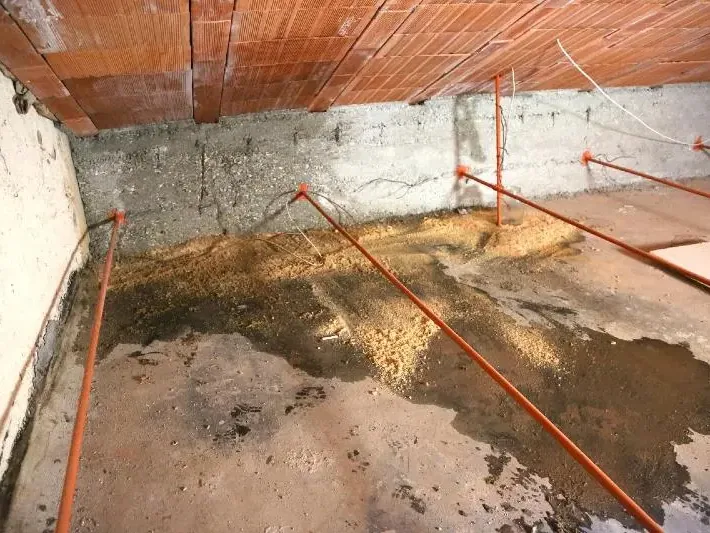
A crawl space hides water better than any room in the house. A supply pipe or drain can leak under the floor for weeks, and storm water can collect against the foundation without anyone looking. In Sacramento the crew treats crawl space water as a structural drying job: get the water out, get the wet insulation down and dry the wood that holds up the floor. Storm water under the house is treated with the flood water cleanup protocol, and the river flood readiness check helps plan ahead.
How a crawl space water removal job runs, step by step
Inspect and assess
The walkthrough tech checks the crawl space for standing water, the source, wiring and duct hazards, and the water category before anyone goes in.
Pump and extract
The extraction crew pumps out standing water and extracts what remains in low spots and on the soil or vapor barrier.
Remove wet materials
Wet insulation, a torn vapor barrier, mud and debris are removed and bagged, and contaminated wood is cleaned and treated.
Dry from below
LGR dehumidifiers and air movers dry joists, sill plates and subfloor until readings reach a dry reference, logged daily for the file.
First steps for crawl space water removal right now
- Find and stop the source: If a pipe is leaking under the floor, close the main. If storm water is the cause, check that gutters and downspouts carry water away from the house.
- Stay out of the crawl space: Do not crawl into standing water, especially near wiring, ducts or a water heater, and never if the water may be sewage or flood water.
- Watch the floor above: Note soft spots, cupping hardwood, a musty smell or higher humidity in the rooms above, which show how long the water has been there.
- Photograph from the access: Take photos through the access opening without going in, plus any damage in the rooms above, before cleanup starts.
Water pooled under the floor? Stay out of the crawl space and call the Sacramento under-floor drying crew.
Ask about water under the floorHow water reaches the crawl space
- Supply and drain pipes leaking under the floor
- A water heater or appliance leak running through the subfloor
- Storm runoff pooling against the foundation and seeping in
- Gutters and downspouts emptying beside the house
Low ground makes it worse. The center of the Pocket bend sits slightly below sea level on alluvium soil, and North Natomas was built on the Sacramento River floodplain between the Garden Highway and Steelhead Creek, so storm water that gets under a house in low spots has nowhere quick to go.
What is removed under the house
Fiberglass insulation between the joists soaks up water and sags, so wet sections are bagged and removed. A torn or flooded vapor barrier on the soil is pulled, and mud and debris left by storm water are cleared. When the source is a sewer drain or flood water, the space is treated as Category 3, with protective gear and an EPA-registered antimicrobial on the wood.
Drying joists, sill plates and subfloor
Pumps and extractors remove standing water, then LGR dehumidifiers and air movers run in the crawl space with the access closed off so the dry air stays where it is needed. Joists, sill plates and the underside of the subfloor are read daily at marked points until they reach a dry reference, then new insulation and vapor barrier can go back in.
Ducts that run through a wet crawl space are checked as well. A disconnected or crushed duct can pull damp crawl space air into the home, so it is noted for repair while the drying team works below the floor.
Do not crawl into standing water
A flooded crawl space can hide live wiring, a damaged duct, sharp debris and sewage from a broken drain. Check it only from the access opening with a flashlight, and keep out entirely if the water could be from a sewer or a flood. The crew enters with protective gear after the power and the water category are checked.
What does crawl space water removal cost in Sacramento, CA?
Crawl space water removal here typically runs $1,500 to $6,000, depending on how much water is under the house and what has to come out. Standing water depth, wet insulation, a vapor barrier replacement and the water category set the number.
Small leak area
- Shallow water, one section
- Insulation section removed
- Joist drying
Whole crawl space
- Standing water pumped out
- Insulation and barrier out
- Full drying set-up
Sewage or flood water
- Category 3 protocol
- Debris and mud cleared
- Antimicrobial and drying
Ranges are typical, not a quote: water category, square footage, material class and how fast drying started move the number most. The water damage cost calculator gives a planning range for your own rooms.
Insurance for crawl space water
Water under the house from a sudden pipe break is often covered for the resulting damage, while groundwater, surface water and long-term seepage are usually excluded from a homeowners policy and may fall under flood coverage instead. Adjusters want to know the source. The crew photographs the crawl space, the source and the removed materials and logs every reading on the joists and subfloor.
The claim file the drying team builds holds a moisture map of every wet room, daily psychrometric drying logs, timestamped photos taken before any demolition, the water category and class of loss, and a line-item scope an adjuster can check. Sudden and accidental water from a pipe or appliance is treated differently from flood water, which most homeowners policies leave to separate flood coverage. Coverage depends on your own policy, so it is worth checking with your insurer before anything is decided. Keep copies of the photos, the readings and every invoice together, because a complete file is what keeps a water claim moving.
How a water loss is handled here, start to finish
Rapid local response
Dispatch runs 24/7 and active water is treated as urgent at any hour, from Natomas and Point West down to the Pocket and Greenhaven.
IICRC S500 drying standard
Truck-mounted extraction, LGR dehumidifiers and air movers sized to the class of loss, with readings logged at the same points every day.
Claim-ready documentation
Moisture maps, psychrometric logs and timestamped photos taken before any wet material is cut out, so the adjuster sees the whole loss.
Valley water experts
River-bend lots, levee-side floodplain blocks, decades-old plumbing in mid-century subdivisions and winter storm leaks all shape the plan.
Crawl space water removal across Sacramento and nearby communities
The restoration team covers ZIP 95822, 95823, 95831 and 95832 and the neighborhoods around them, from the Pocket and Greenhaven along the river bend to Natomas, East Sacramento, Midtown and the established blocks of Upper Land Park and Elder Creek.
Nearby coverage reaches West Sacramento, Elk Grove, Davis, Citrus Heights, Rancho Cordova.
See every neighborhood and ZIP covered ›Related water damage services
Crawl Space Water Removal questions in Sacramento, CA
How do I know there is water in my crawl space?
A musty smell, higher humidity indoors, soft or cupping floors and a running water meter with taps off are common signs. A look through the access opening with a flashlight often confirms it. Wet spots in the yard near the foundation are another clue to look for.
Is crawl space water dangerous?
It can be. It may hide live wiring, damaged ducts and sewage from a broken drain. Do not crawl into standing water, and keep out entirely if it could be sewage or flood water. An electrician can confirm the wiring is safe if any of it sat in water.
Does wet crawl space insulation have to come out?
Usually yes. Fiberglass between the joists holds water, sags and keeps the wood damp. Wet sections are removed and replaced after the structure is dry. Removing it also lets the crew see the joists, pipes and sill plates clearly.
How long does it take to dry a crawl space?
Most crawl spaces dry in three to seven days once the water and wet insulation are out and dehumidifiers are running. Readings on joists and subfloor decide when it is done. Cold, damp weather can stretch that range, which is where dehumidifiers matter most.
Why does storm water collect under Sacramento homes?
Low ground and runoff aimed at the foundation let water seep in. Parts of the city, such as the Pocket and the Natomas floodplain, sit low, so water under a house drains slowly. Pointing downspouts away from the foundation keeps a lot of storm water out.
Is crawl space water covered by insurance?
A sudden pipe break is often covered, while groundwater and surface water usually are not under a homeowners policy. Coverage depends on your policy, so check with your own insurer. The source decides which part of the policy applies, so photos of it matter.
Can crawl space water damage the floors above?
Yes. Damp joists and subfloor make hardwood cup and vinyl lift, and moisture rises into the rooms above. Drying from below protects the floors. Drying the crawl space first keeps the rooms above from needing new flooring.
Will the crawl space be checked for mold growth?
Wet wood and insulation can start to grow mold within 24 to 48 hours, so the crew notes any growth while drying. Water removal and drying are the focus of this service. Any growth noted is reported so you can decide on next steps with the right specialist.
Crawl space holding water? Get it pumped and dried.
The crew pumps out the water, removes wet insulation and dries the joists and subfloor to a verified reading.
(888) 774-9605Start the crawl space pump-out