Flood Water Cleanup in Rancho Cordova, CA
(888) 774-9605Report the flood to dispatch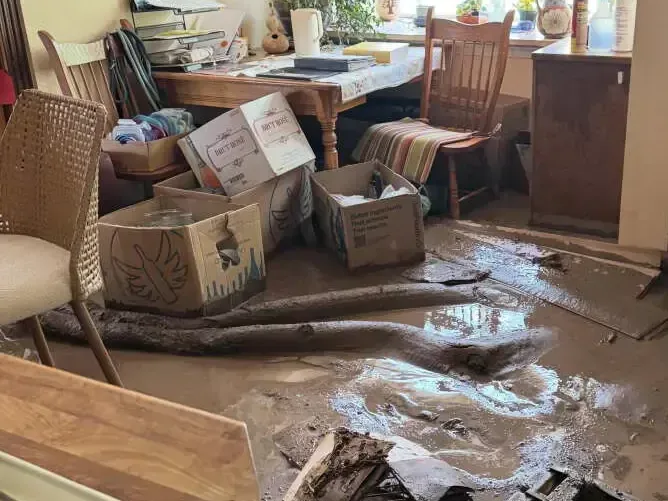
Flood water is not the same as a plumbing leak. It arrives from outside, picks up soil, fertilizer, bacteria and debris along the way, and it is treated as contaminated from the moment it crosses a threshold. This city sits on level valley ground with frontage on the American River, so heavy winter storms are the main way flood water reaches a home or garage, and the cleanup has to be thorough before anyone moves back in.
How a flood water cleanup job runs, step by step
Inspect and photograph
Every wet room is photographed and mapped with meters, and the water category is recorded because it controls the whole plan.
Clear and clean
Water and debris come out first, and surfaces are cleaned and sanitized before any drying equipment starts running. and the room is checked
Dry the structure
Air movers and dehumidifiers run through the cleaned areas, with readings taken until each material reaches its target.
Close out the file
A final moisture log, photo set and scope of work are delivered so the claim has a complete record behind it.
First steps for flood water cleanup right now
- Make the area safe: Power to wet rooms is cut from a dry point, people and pets stay out of the contaminated water, and the crew puts on protective gear before anything is touched.
- Remove water and mud: Pumps clear the standing flood water, then shovels and wet vacuums lift the mud and debris left across floors and low surfaces.
- Strip contaminated materials: Wet insulation, drywall, carpet and pad are cut out and bagged, which gives the framing room to be cleaned and to dry.
- Clean and sanitize: Hard surfaces and exposed framing are washed and treated with antimicrobial products before drying equipment is set up.
Storm water inside the house? Describe how far it has spread, and a local pro will map out the cleanup and the drying.
Outline the floodingWhere flood risk comes from here
The city has about 70 acres of creek channels and tributaries, along with a stormwater system of pump stations, drainage infrastructure and regional detention basins run by its Stormwater Division. City code adopts the Sacramento County Flood Insurance Study dated August 16, 2012 and its Flood Insurance Rate Maps as the basis for flood hazard areas, and Chapter 16.96 covers floodplain management.
A flood cleanup typically follows these stages:
- Water is pumped out and the extent of the intrusion is mapped
- Mud, debris and ruined porous materials are removed
- Hard surfaces and framing are cleaned and sanitized
- Air movers and dehumidifiers dry the structure to goal
What gets removed and what stays
Drywall, insulation and carpet that sat in flood water are normally removed because they trap contaminants. Solid framing, concrete and many hard floors can be cleaned and dried in place, which keeps demolition limited to what the water category requires.
Ground-floor garages and rooms near entries take the brunt in most storm intrusions, and belongings stored at floor level go first. Moving valuables to higher surfaces before the water rises further, then photographing the loss, helps both the cleanup and the insurance file.
Homes along Folsom Boulevard and in the Villages of Zinfandel share the same level terrain, so the method depends on water depth and category, not on the street.
After the water is gone
Once the flood water and debris are out, structural drying takes over, with moisture readings repeated until framing and subfloors reach dry goals. Where sewage was mixed into the water, the sewage backup cleanup protocols apply as well. The service hub lists every other service a flooded property might need.
Flood water is contaminated until proven otherwise
Skin contact, wet carpet and even floor-level belongings can carry bacteria from flood water. Children, pets and anyone with open cuts should stay out until protective gear and sanitizing are in place, and food that touched the water should be discarded. Household vacuums and HVAC fans should not be run through wet areas.
What does flood water cleanup cost in Rancho Cordova, CA?
Flood cleanup costs more than clean water extraction because of the sanitizing, disposal and added labor. A garage or single room sits at the low end, several rooms mid-range and a whole ground floor at the top.
Garage or one room
- One contained area
- Pump out and debris removal
- Sanitizing and drying
Several rooms
- Drywall and pad removal
- Wider sanitizing scope
- Extended drying visits
Whole ground floor
- Full-floor demolition
- Heavy debris disposal
- Long monitoring period
Ranges are typical, not a quote: water category, square footage, material class and how fast drying started move the number most. The water damage cost calculator gives a planning range for your own rooms.
Flood coverage and your policy
Standard homeowner policies often exclude rising flood water, which is why the county flood study and any separate flood policy matter. Dated photos, a record of the water category and moisture readings help an adjuster sort out the cause. Coverage depends on the policy and the carrier, and nothing here promises a decision or a payment. Keep receipts for emergency measures and temporary repairs.
The claim file the drying team builds holds a moisture map of every wet room, daily psychrometric drying logs, timestamped photos taken before any demolition, the water category and class of loss, and a line-item scope an adjuster can check. Sudden and accidental water from a pipe or appliance is treated differently from flood water, which most homeowners policies leave to separate flood coverage. Coverage depends on your own policy, so it is worth checking with your insurer before anything is decided. Keep copies of the photos, the readings and every invoice together, because a complete file is what keeps a water claim moving.
How a water loss is handled here, start to finish
Rapid local response
Dispatch runs 24/7 and active water is treated as urgent at any hour, across Rancho Cordova and the neighboring valley cities.
IICRC S500 drying standard
Truck-mounted extraction, LGR dehumidifiers and air movers sized to the class of loss, with readings logged at the same points every day.
Claim-ready documentation
Moisture maps, psychrometric logs and timestamped photos taken before any wet material is cut out, so the adjuster sees the whole loss.
Valley water experts
River-city levees, winter atmospheric river storms, older plumbing and newer subdivisions all shape how each dry-out is planned.
Flood water cleanup across Rancho Cordova and nearby communities
Flood cleanup crews serve properties across the city, including the Villages of Zinfandel, Sunridge Anatolia, Cordova Village and the Folsom Boulevard corridor, with dispatch available around the clock in Rancho Cordova for homes, garages and businesses.
The same service nearby: flood water cleanup in Sacramento, Citrus Heights, Elk Grove.
Water damage restoration in Rancho Cordova › Every town covered ›Related water damage services
Flood Water Cleanup questions in Rancho Cordova, CA
What makes flood water cleanup different from a pipe leak?
Flood water comes from outside and carries soil, bacteria and debris, so porous materials are usually removed and everything left is sanitized. A clean pipe leak often allows more drying in place with less demolition. Flood water also tends to leave silt behind that must be cleared.
Why does the American River matter for flood cleanup?
The city has American River frontage and about 70 acres of creek channels, so storm runoff is a real consideration for nearby properties. The cleanup method still depends on the water category rather than on the source. Heavy rain upstream and local runoff can both play a part.
Will homeowner insurance cover flood water?
Often not. Standard policies commonly exclude rising flood water, and a separate flood policy may be needed. Check the policy and ask the carrier, since coverage depends on the cause and the wording. Policies differ widely, so reading the exclusions matters.
What should be thrown away after a flood?
Drywall, insulation, carpet pad and food that touched flood water are usually discarded. Solid wood, concrete and many hard floors can often be cleaned and dried, and the moisture readings help the crew decide.
How is a flooded garage handled?
The water is pumped out, mud and stored items are cleared, and the slab and lower walls are cleaned and sanitized. Drywall touching the floor is checked with meters and cut away when it stayed wet. Stored items and cardboard are usually discarded.
Can the household stay home during flood cleanup?
That depends on the damage. Small garage floods may leave living areas usable, while a flooded ground floor with contaminated water usually requires staying elsewhere until cleaning and drying are done.
What records come out of a flood cleanup?
Photos of the loss, the water category, moisture readings from each visit, a list of removed materials and a final scope of work. Together they give an adjuster a clear, dated account of what happened. These records also help when repairs are scheduled.
How long does flood cleanup take?
It depends on the water depth, the materials affected and the season. Pumping and debris removal come first, sanitizing follows and drying runs until the readings reach dry goals. Heavier floods that soaked drywall and framing take longer than a flooded garage, and the schedule changes with the moisture readings.
Get the flood cleanup moving
Dispatch runs around the clock, and a single call starts the plan for pumping, removal, sanitizing and drying. across every affected room and surface
(888) 774-9605Call about the flooding