Sewage Backup Cleanup in Rancho Cordova, CA
(888) 774-9605Get help with the sewage spill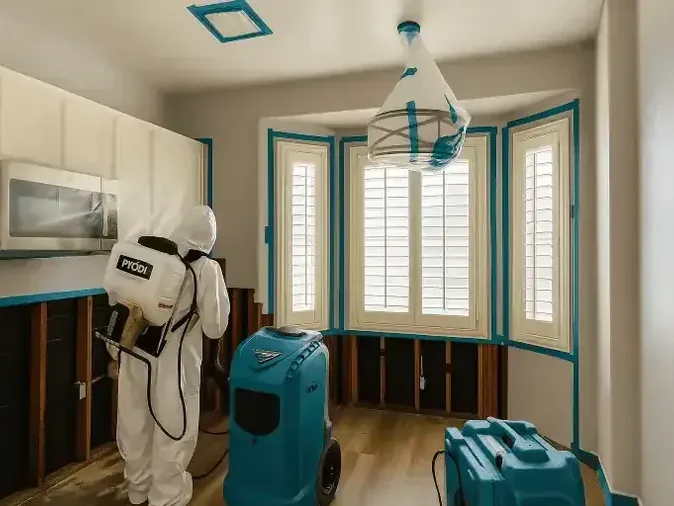
A sewage backup turns a bathroom, laundry room or ground floor into a health hazard. The water carries bacteria, viruses and waste that soak into porous materials, and no amount of drying alone makes those materials safe. The Sacramento Area Sewer District handles regional sewage treatment, but once wastewater comes back up inside a home, the property needs contaminated-water cleanup that follows strict protocols from the first step to the last reading.
How a sewage backup cleanup job runs, step by step
Assess the contamination
The crew identifies the source, confirms the water is Category 3 and marks which rooms and materials the backup reached before work begins.
Protect the crew and home
Protective suits, gloves and respirators go on, and barriers keep contaminants from spreading into the clean parts of the house.
Clean and disinfect
Surfaces are scrubbed, treated with antimicrobial products and rinsed, and the results are checked by visual inspection and moisture testing.
Dry and document
Equipment dries what remains, and photos, disposal records and moisture readings are compiled so the whole loss is on file.
First steps for sewage backup cleanup right now
- Stay out and shut off: Keep people and pets out of the affected rooms, stop using toilets, sinks and drains that connect to the backup, and photograph what is visible from the doorway.
- Contain the area: Plastic sheeting and tape seal the doorway and vents, and negative airflow is set up so contaminated air stays inside the work zone.
- Remove contaminated materials: Sewage is extracted, then carpet, pad, wet drywall, insulation and other porous items are cut out and double bagged for disposal.
- Disinfect and dry: Hard surfaces and framing are cleaned and treated with disinfectant, and drying equipment runs only after the cleaning is complete.
Sewage backing up inside the house? Describe where it started, and a local pro will plan containment and cleanup.
Outline the backupWhat makes sewage different
Ordinary water damage can often be dried in place. Sewage cannot. Carpet, pad, drywall, insulation and other porous materials that touched the backup are removed and discarded, because contaminants cannot be washed out of them. Hard surfaces and framing are cleaned, treated with a disinfectant and left to dry only after they are clean.
Control comes before speed. The crew isolates the room with plastic sheeting, keeps air from moving toward clean areas and wears suits, gloves, boots and respirators so the contamination stays where it started.
Cleanup follows a fixed order:
- Seal off the room and keep foot traffic out of the work zone
- Extract the sewage and remove contaminated porous materials
- Clean and disinfect hard surfaces and exposed framing
- Dry the cleaned area and take final moisture readings
Backups in rented and shared buildings
With 43.6% of occupied homes rented, a backup often reaches more than one unit or sits in a space the tenant does not control. Tenants should keep out of affected rooms, photograph what is visible from the doorway and tell the property manager at once, since one blockage can affect several homes.
Multifamily buildings near Zinfandel Drive and homes in Sunridge Park or Sunridge Anatolia are handled with the same containment rules, whatever the age of the building or the fixtures involved.
Drying after disinfection
Once surfaces are clean, structural drying brings the remaining framing and subfloor down to dry goals, and the flood water cleanup page covers outside water that mixes with sewage. The service hub lists every other water service available here.
Do not clean up sewage with household tools
Sewage exposure can cause serious illness, and mops, towels and household vacuums spread contamination instead of removing it. Keep children, pets and anyone with a weakened immune system away, avoid touching the water, wash hands thoroughly after any accidental contact and do not run fans that push contaminated air through the house. Call a pro first.
What does sewage backup cleanup cost in Rancho Cordova, CA?
Sewage cleanup costs more than clean water work because of the protective gear, disposal and disinfection involved. A bathroom or laundry room is the smallest scope, while a backup spreading through several rooms or a whole floor needs far more removal.
Bathroom or laundry
- One contained room
- Extraction and disinfection
- Porous materials removed
Several rooms
- Backup reached adjoining rooms
- More flooring and drywall removed
- Extended containment setup
Large backup
- Whole floor or multiple units
- Heavy disposal volume
- Longer drying after cleanup
Ranges are typical, not a quote: water category, square footage, material class and how fast drying started move the number most. The water damage cost calculator gives a planning range for your own rooms.
Sewage backup and insurance
Backup coverage is often an optional add-on to a homeowner policy, so the exact wording matters. Photos of the affected rooms, disposal records and a description of the source help an adjuster review the loss. Landlords and tenants should each notify their own carriers and keep every receipt. Check the policy, because nothing here promises that a backup will be covered.
The claim file the drying team builds holds a moisture map of every wet room, daily psychrometric drying logs, timestamped photos taken before any demolition, the water category and class of loss, and a line-item scope an adjuster can check. Sudden and accidental water from a pipe or appliance is treated differently from flood water, which most homeowners policies leave to separate flood coverage. Coverage depends on your own policy, so it is worth checking with your insurer before anything is decided. Keep copies of the photos, the readings and every invoice together, because a complete file is what keeps a water claim moving.
How a water loss is handled here, start to finish
Rapid local response
Dispatch runs 24/7 and active water is treated as urgent at any hour, across Rancho Cordova and the neighboring valley cities.
IICRC S500 drying standard
Truck-mounted extraction, LGR dehumidifiers and air movers sized to the class of loss, with readings logged at the same points every day.
Claim-ready documentation
Moisture maps, psychrometric logs and timestamped photos taken before any wet material is cut out, so the adjuster sees the whole loss.
Valley water experts
River-city levees, winter atmospheric river storms, older plumbing and newer subdivisions all shape how each dry-out is planned.
Sewage backup cleanup across Rancho Cordova and nearby communities
Sewage cleanup crews serve the Villages of Zinfandel, Sunridge Anatolia, Sunridge Park and Cordova Village, along with properties near Folsom Boulevard and Zinfandel Drive, with dispatch open 24/7 for homes and businesses across Rancho Cordova.
The same service nearby: sewage backup cleanup in Sacramento, Citrus Heights, Elk Grove.
Water damage restoration in Rancho Cordova › Every town covered ›Related water damage services
Sewage Backup Cleanup questions in Rancho Cordova, CA
Why can sewage not simply be dried like clean water?
Sewage carries bacteria and viruses that soak deep into porous materials, and drying does not make those materials safe. Carpet, pad, insulation and wet drywall are removed, and the surfaces left behind are cleaned and disinfected before any drying equipment starts.
Is it safe to stay in the house during a sewage cleanup?
Usually not in the affected rooms, and sometimes not in the whole house. Containment keeps contamination from spreading, but residents with children, pets or health concerns often stay elsewhere until the work is finished and the area is cleared.
Who handles the cleanup after a backup from the sewer?
The regional agency treats sewage, but cleanup inside the home is a separate job done by a restoration crew. The property owner or manager decides who to call, and a plumber may clear the blockage that caused the backup.
What materials have to be thrown away after a backup?
Carpet, pad, drywall, insulation, fabric furniture and any porous item that touched the sewage. Tile, sealed concrete and framing can usually be cleaned and disinfected, which limits how much has to be torn out. Mattresses and rugs are usually discarded.
Can a tenant request sewage cleanup directly?
A tenant can call for help and photograph the damage, but the landlord or property manager usually controls the work in a rented home. Telling them right away protects everyone, and it keeps the contamination from spreading further.
How is sewage cleanup different from flood cleanup?
Both involve contaminated water, but sewage is the most hazardous category and calls for stricter containment, protective gear and disinfection. Flood cleanup often involves more mud and debris, while sewage work focuses on biological contamination.
Does a sewage backup need dehumidifiers afterward?
Yes. After cleaning and disinfection, air movers and dehumidifiers dry the framing and subfloor, and moisture readings confirm the structure is dry. This final stage also helps limit mold or odor problems later.
How soon after a backup should cleanup start?
Immediately, since contamination spreads into porous materials and the air quickly. Keep everyone out of the area, avoid flushing or running drains, and call for professional containment right away.
Get the sewage cleaned up safely
Dispatch runs around the clock, and one call begins the plan for containment, removal and disinfection of the affected rooms.
(888) 774-9605Call about the sewage