Water Extraction in Rancho Cordova, CA
(888) 774-9605Plan the extraction with a local pro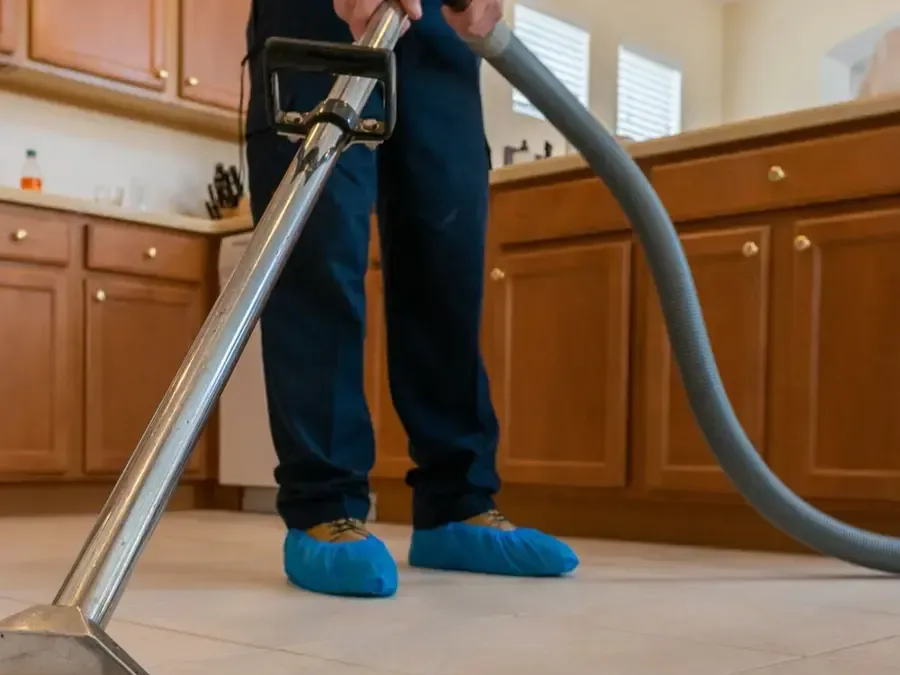
Water extraction is the first physical step in almost every wet-structure job, and it sets the pace for everything after it. Water left in carpet pad or under cabinets wicks upward into drywall and sideways into framing, so the goal is to pull as much liquid out as possible before drying equipment is set. The mix of postwar tract houses and newer builds around the Villages of Zinfandel means floors, subfloors and wall bases vary a lot from one address to the next.
How a water extraction and removal job runs, step by step
Assess the loss
The crew checks the water category and the affected area, and the source is confirmed before any pump is switched on.
Extract the water
Pumps and wands remove the bulk of the liquid, and weighted tools press out whatever the carpet and pad still hold.
Sort the materials
Salvageable flooring is lifted and cleaned, while contaminated or saturated pieces are bagged and removed from the room.
Hand off to drying
Moisture readings are recorded for every wet surface, and the drying plan is built from those numbers rather than from guesswork.
First steps for water extraction and removal right now
- Stop the water: Shut the main valve or the appliance supply, or cover the roof opening, so no new water keeps adding to the pool already on the floor.
- Pump the pool: Portable or truck-mounted pumps remove standing water first, then weighted wands draw moisture from carpet fibers and low spots along baseboards and thresholds.
- Remove saturated pad: Carpet pad that holds water is cut out and discarded, while the carpet itself is lifted, cleaned and dried when it is safe to keep.
- Map what stayed wet: Meters and a thermal camera trace moisture into walls, cabinets and subfloors, producing the readings that set the drying plan.
Water on the floor now? Describe the room and the source, and a local pro plans the pump-out.
Talk to an extraction proWhat gets pumped and what gets pulled
Open water on tile, laminate or concrete is lifted with pumps and wands. Carpet and pad hold far more water than they show, so weighted extraction tools press the liquid out of the fibers, and pad that stays saturated is often removed. Hardwood, cabinet toe kicks and baseboards are checked with meters because water hides behind trim long after the surface looks dry.
The extraction sequence runs like this:
- Locate the source and stop the water before pumping starts
- Pump or wand standing water from every affected surface and low cabinet
- Press water from carpet fibers and remove pad that stays saturated
- Scan walls, cabinets and subfloors with moisture meters and a thermal camera
Why winter changes the job
About 18.14 inches of rain falls in a normal year, mostly between December and March, and the valley floor is level, so storm water that finds a door gap or a low garage has nowhere to go. Winter extraction jobs here often start with rain still falling outside.
Contaminated intrusion is handled differently. Water that entered from outside or came back up a drain is not treated like a clean supply leak, and the crew sorts materials by category before deciding what to remove, what to clean and what can stay and dry in place.
Large open areas such as garages and ground floors in multifamily buildings near Zinfandel Drive also benefit from truck-mounted power, which moves a lot of water efficiently.
Linking extraction to drying
Extraction is never the finish line. After the standing water is gone, a moisture map shows which materials stayed wet, and the plan moves into structural drying with air movers and dehumidifiers. If the loss began with a split pipe, the burst pipe page covers the repair side, and the service hub lists every other loss type handled along Folsom Boulevard and beyond.
Water near outlets or a sagging ceiling is a safety stop
Water that has reached outlets, a panel or a bulging ceiling can carry electrical current or bring down wet drywall. Stay out of the room, shut the power off only from a dry spot, and let a trained crew handle the extraction instead of wading in with a household shop vacuum. Call a pro early.
What does water extraction and removal cost in Rancho Cordova, CA?
Extraction on its own usually falls into three bands based on room count and water category. A single wet room is the smallest job, while contaminated or large-area losses need more equipment, more labor and more disposal.
Single room
- One wet room
- Pump and wand work
- Basic moisture check
Several rooms
- Multiple affected rooms
- Pad removal and disposal
- Longer equipment use
Large or contaminated
- Whole-floor or gray water
- Protective gear and disposal
- Sanitizing after removal
Ranges are typical, not a quote: water category, square footage, material class and how fast drying started move the number most. The water damage cost calculator gives a planning range for your own rooms.
Documenting extraction for the claim
Adjusters look for proof of when the water arrived, what category it was and how much was removed. Dated photos of the standing water, a record of the pumps used and moisture readings before and after extraction make that case clear. Sudden pipe and appliance failures are often covered while rising flood water usually is not, so check the policy, because nothing here promises a payout.
The claim file the drying team builds holds a moisture map of every wet room, daily psychrometric drying logs, timestamped photos taken before any demolition, the water category and class of loss, and a line-item scope an adjuster can check. Sudden and accidental water from a pipe or appliance is treated differently from flood water, which most homeowners policies leave to separate flood coverage. Coverage depends on your own policy, so it is worth checking with your insurer before anything is decided. Keep copies of the photos, the readings and every invoice together, because a complete file is what keeps a water claim moving.
How a water loss is handled here, start to finish
Rapid local response
Dispatch runs 24/7 and active water is treated as urgent at any hour, across Rancho Cordova and the neighboring valley cities.
IICRC S500 drying standard
Truck-mounted extraction, LGR dehumidifiers and air movers sized to the class of loss, with readings logged at the same points every day.
Claim-ready documentation
Moisture maps, psychrometric logs and timestamped photos taken before any wet material is cut out, so the adjuster sees the whole loss.
Valley water experts
River-city levees, winter atmospheric river storms, older plumbing and newer subdivisions all shape how each dry-out is planned.
Water extraction and removal across Rancho Cordova and nearby communities
Extraction crews serve the Villages of Zinfandel, Sunridge Anatolia, Sunridge Park and Cordova Village, plus homes and shops along Folsom Boulevard and White Rock Road, with dispatch open 24/7 every day for Rancho Cordova.
The same service nearby: water extraction and removal in Sacramento, Citrus Heights, Elk Grove.
Water damage restoration in Rancho Cordova › Every town covered ›Related water damage services
Water Extraction and Removal questions in Rancho Cordova, CA
How soon should water extraction start?
As soon as the source is stopped. Water keeps moving into drywall, cabinets and subfloors while it sits, and every hour of delay can turn material that could have dried into material that has to be removed.
Can a shop vacuum replace professional water extraction?
A shop vacuum handles a small spill but leaves most of the water in carpet pad and under cabinets. Pumps, weighted wands and meters pull far more water and show what is still wet, which is what prevents hidden damage. Shop vacuums also cannot reach water under cabinets.
Is extraction different for gray or black water?
Yes. Washer overflow, a toilet backup or storm intrusion can carry contaminants, so the crew wears protective gear, bags porous materials for disposal and disinfects the area. Clean supply water is handled with less removal.
Does carpet always have to be thrown out after extraction?
No. Carpet from a clean water loss can often be lifted, cleaned and dried, though the pad is usually replaced. Carpet touched by sewage or by long-standing water is removed instead.
What happens right after the water is pumped out?
A moisture map shows which walls, floors and cabinets stayed wet, and air movers and dehumidifiers are placed to dry them. Readings are logged at each visit until the materials reach their dry goals.
Does a rental unit need extraction if the leak came from next door?
Yes, water crossing a shared wall or ceiling still soaks the unit below or beside it. The tenant should photograph the damage, notify the property manager and request extraction while water is still on the floor.
Does extraction cost depend on the water category?
It does. Clean water in one room sits at the low end of the price ranges, while gray or black water, several rooms or heavy pad removal pushes the job into the higher bands.
What equipment does water extraction use?
Truck-mounted units handle large volumes, portable pumps reach tight spaces and weighted wands press water out of carpet. Moisture meters and a thermal camera then show what stayed wet. The equipment is chosen to match the size of the loss and the water category.
Get the standing water out of the house
Dispatch runs around the clock, and one call sets up pumps, moisture mapping and the drying plan that follows.
(888) 774-9605Call about the wet floors