Water Extraction in Citrus Heights, CA
(888) 774-9605Describe the water and get help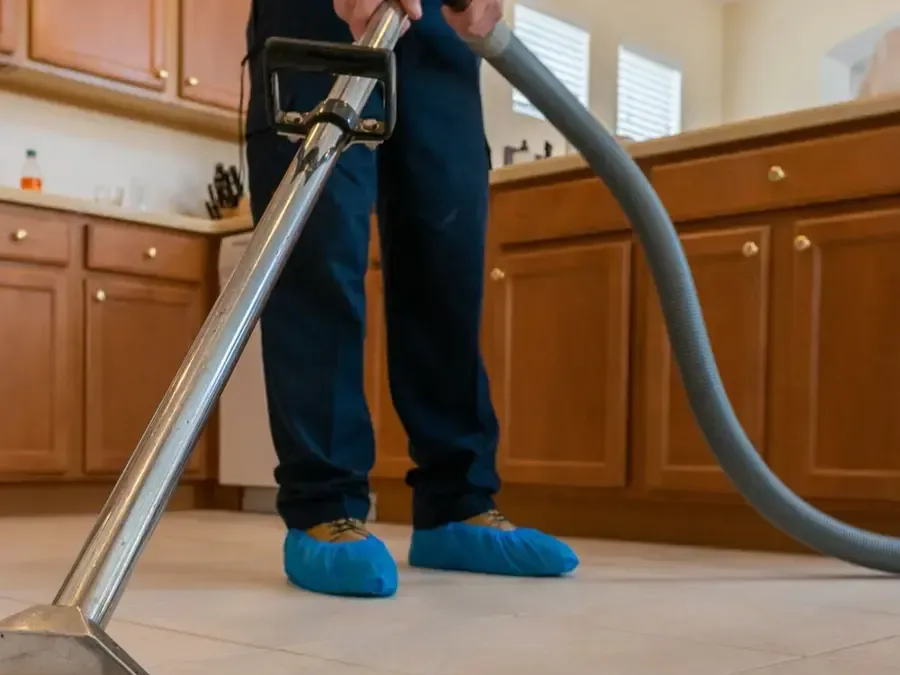
Water extraction is the first physical step after a leak or flood. Pumps and wand tools pull standing and soaked-in water out of rooms before it travels into framing and insulation. In Citrus Heights the wet season runs from November to March, and over 80% of the year's rain falls in those months, so extraction work bunches up in winter.
How a water extraction and removal job runs, step by step
Source and safety check
The crew traces where the water came from, and it checks for hazards such as live outlets before any pump is set down.
Bulk water removal
Truck-mounted units clear the standing water, and wand tools follow to lift what has soaked into carpet and pad.
Moisture mapping
Meters and thermal cameras show which walls and floors are still wet, and those readings set the drying plan.
Hand-off to drying
Once surface water is gone, air movers and dehumidifiers go in, and daily readings track progress toward the S500 goal.
First steps for water extraction and removal right now
- Stop the source: Close the shutoff valve or the main if water is still running, and keep everyone out of rooms where wet outlets could be live. Do this before help arrives.
- Call for extraction: Describe the water, its color and how many rooms it reached so the right pumps and hoses are loaded for the job.
- Move what you can: Lift small furniture, rugs and electronics onto dry surfaces, and leave heavy pieces for the crew to handle safely.
- Hold off on fans: Skip household fans and heaters until readings are taken, since they can push wet air into rooms that are still dry.
Water on the floor right now? A dispatcher can describe what the extraction will involve.
Talk through the lossHow crews remove the water
A crew first finds where the water came from and has it stopped if a valve or shutoff is within reach. Truck-mounted units then pull the bulk of the water off hard floors, while wand tools and weighted extractors lift it from carpet and pad. Cabinet toe kicks and wall bases get attention too, because that is where water hides.
Typical extraction work includes:
- Pumping standing water out of rooms and garages
- Lifting water from carpet and pad with extraction wands
- Pulling water from under cabinet bases and thresholds
- Logging moisture readings before and after removal
When storm or creek water is involved
Cripple Creek and Arcade Creek both overflowed their banks in the 1997 flooding and again in January 2023. Water from storms and creeks is gritty, so extraction is followed by a rinse where needed before silt can dry into a film on the floor.
After the bulk water is gone, the same crew can set up structural drying, because pulling water out is only the first half of a dry-out. Larger floods are covered under flood water cleanup.
Speed matters most right after a loss. Carpet pad acts like a sponge, hardwood begins to cup and drywall wicks water upward, so each stage of delay widens the area that has to be treated. A crew that starts pumping early often saves flooring that would otherwise be torn out.
When extraction becomes a bigger job
A single room with a clean source, such as a supply hose, is usually a short visit. Water that ran through several rooms, or that came from a sewage backup, takes more equipment and careful disposal of wet materials. The crew explains the water category and what it means for flooring, pad and drywall before any cut is made, from Greenback Lane to Auburn Road.
Why standing water cannot wait
Water on a floor wicks into drywall, trim and subfloor, and the longer it stays the more material has to be cut out instead of dried. Storm water and sewage carry contaminants, so they should be handled with protective gear rather than a household mop. Acting quickly also keeps the cost range lower, because dried materials stay in place while soaked ones must be replaced.
What does water extraction and removal cost in Citrus Heights, CA?
Water extraction usually runs $400 to $1,200 for a single room, grows with each added room, and reaches $3,500 to $8,000 or more when the water is contaminated or widespread. Readings confirm the scope.
Single room
- One room of water
- Pumps and wands
- Readings logged
Several rooms
- Water in many rooms
- Pad and trim checked
- More equipment
Large or contaminated
- Storm or sewage water
- Protective gear used
- Disposal of wet materials
Ranges are typical, not a quote: water category, square footage, material class and how fast drying started move the number most. The water damage cost calculator gives a planning range for your own rooms.
Insurance and extraction records
Sudden water losses such as a burst pipe or storm leak are often covered, while flood damage usually needs separate flood insurance, so the policy itself decides. Photos, moisture readings and a written scope from the crew help support a claim. Nothing here promises approval or a payout. Dated photos taken before pumping begins are especially useful, and the crew keeps its own record of the areas treated.
The claim file the drying team builds holds a moisture map of every wet room, daily psychrometric drying logs, timestamped photos taken before any demolition, the water category and class of loss, and a line-item scope an adjuster can check. Sudden and accidental water from a pipe or appliance is treated differently from flood water, which most homeowners policies leave to separate flood coverage. Coverage depends on your own policy, so it is worth checking with your insurer before anything is decided. Keep copies of the photos, the readings and every invoice together, because a complete file is what keeps a water claim moving.
How a water loss is handled here, start to finish
Rapid local response
Dispatch runs 24/7 and active water is treated as urgent at any hour, across Citrus Heights and the neighboring valley cities.
IICRC S500 drying standard
Truck-mounted extraction, LGR dehumidifiers and air movers sized to the class of loss, with readings logged at the same points every day.
Claim-ready documentation
Moisture maps, psychrometric logs and timestamped photos taken before any wet material is cut out, so the adjuster sees the whole loss.
Valley water experts
River-city levees, winter atmospheric river storms, older plumbing and newer subdivisions all shape how each dry-out is planned.
Water extraction and removal across Citrus Heights and nearby communities
Extraction crews cover Citrus Heights from Sunrise Meadows and Sunrise Village to Greenback Estates, Westborough and Stock Ranch, plus the Greenback Lane, Auburn Road and Sylvan Road corridors, with dispatch open 24/7. Dispatch covers every street between them.
The same service nearby: water extraction and removal in Sacramento, Rancho Cordova, West Sacramento.
Water damage restoration in Citrus Heights › Every town covered ›Related water damage services
Water Extraction and Removal questions in Citrus Heights, CA
How does water extraction work after a pipe break?
A crew stops or confirms the shutoff, then pumps out standing water and lifts the rest from carpet and pad with wand tools. Moisture readings follow so drying equipment goes where the water actually traveled. Mention the water color and how long it has been standing, because both affect the plan.
Can water extraction save my carpet?
Often yes when the water is clean and removal starts early. Carpet soaked by sewage or creek water is usually discarded, and the pad is commonly replaced either way. Padding is almost always replaced, since it cannot be cleaned thoroughly once soaked.
Does water extraction include drying the walls?
Extraction removes the liquid water. Wet walls and subfloors are then dried with air movers and dehumidifiers, which is a separate step that usually follows immediately. Ask the crew to explain the drying schedule before the extraction ends.
What happens if water extraction is delayed?
Water keeps moving into baseboards, drywall and subfloor, and more material has to be removed instead of dried. Winter storm losses here are a reminder to call early. Early removal usually means less to rip out and a smaller bill.
Is water extraction needed for a small leak?
Not always. A damp patch from a slow leak may only need drying, but any pooled water on a floor should be pulled out first so it cannot wick upward. A moisture meter settles the question quickly.
How is storm water extraction different?
Storm and creek water carries silt and bacteria, so crews wear protective gear, rinse surfaces after pumping and remove porous materials that cannot be cleaned. Disposal of wet materials is handled by the crew, not left for the homeowner.
Who handles water extraction for apartments and rentals?
The same crews handle rental units and shared buildings. They document each affected unit separately so owners, tenants and adjusters can see what was done. Ask for each affected unit to be listed separately in the job record.
Can water extraction be done at night or on weekends?
Yes. Dispatch is open around the clock, and storms rarely wait for business hours. Describe the water and the rooms affected, and the crew loads pumps and hoses to suit the job.
Pumps out and floors clear before the damage spreads
Dispatch is open day and night, and one call is enough to get extraction moving on your property. Pumps are loaded to suit the job.
(888) 774-9605Start the extraction