Sewage Backup Cleanup in Davis, CA
(888) 774-9605Seal off the contaminated rooms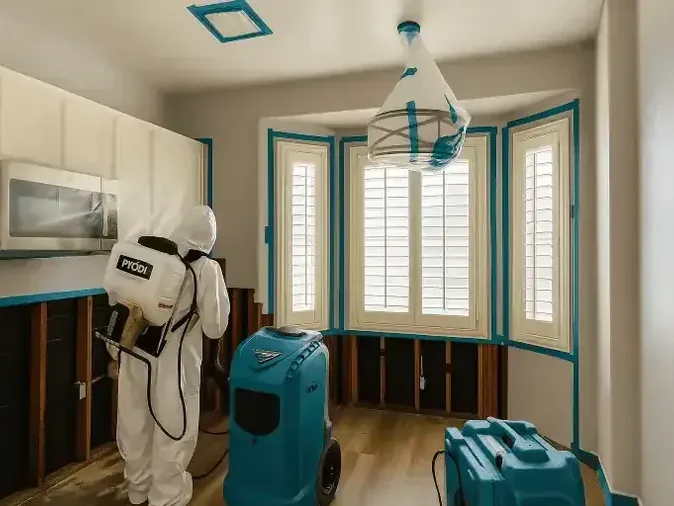
Sewage in a home is a health problem before it is a property problem. Water from a toilet, tub or floor drain that backs up carries bacteria and viruses, and anything porous it touches can hold that contamination long after the visible water is gone. Fast containment is what keeps a bathroom problem from becoming a whole house problem.
How a sewage backup cleanup job runs, step by step
Contain the area
Plastic sheeting seals the work area and HVAC vents are covered, so contamination cannot travel into rooms that stayed dry.
Extract and remove
Contaminated liquid is pumped out, and carpet, pad and drywall that absorbed it are cut out, bagged and carried away.
Clean and disinfect
Hard surfaces and framing are scrubbed and treated with disinfectant, and the cleaned area is checked before drying equipment goes in.
Dry and release
Air movers and dehumidifiers dry the structure, and readings are logged until materials reach their dry goal and the area is released.
First steps for sewage backup cleanup right now
- Stop using the drains: Do not flush or run water, because every use pushes more sewage into the house. Shut the main water valve if the backup keeps rising.
- Keep people out: Close the doors to the affected rooms, keep children and pets away and avoid walking through the water. Wash hands well after any contact with it.
- Photograph from a distance: Take wide shots of the rooms and the water mark without stepping into the mess, and note which fixtures backed up first.
- Call for cleanup: Report which drains are involved and how far the water spread, so containment sheeting, protective suits and disposal bags come with the crew.
Sewage coming up through a drain? Stay out of the room and describe what you see so protective gear and containment come with the crew.
Ask about sewage containmentWhat a backup spreads through
A backup rarely stays where it starts. Water runs under bathroom doors, into hallway carpet and along baseboards, and it wicks into drywall and cabinet bases. Shared drain pipes in apartments, duplexes and condos can send the water into a neighboring unit, so residents in Aggie Village, Olive Drive and the downtown grid should report a backup to the property manager at once.
Materials that usually cannot be saved include:
- Carpet, pad and rugs that soaked up the water
- Drywall and insulation wet above the floor
- Cabinet toe kicks and vanity bases
- Porous items such as cardboard, upholstery and mattresses
How the cleanup is done
The crew seals the work area with plastic, covers HVAC vents and puts on protective gear. Liquids are extracted, contaminated porous materials are cut out and bagged, and hard surfaces are cleaned and treated with disinfectant. Only then are air movers and dehumidifiers brought in.
Drying follows the same standard as any other loss, described on the structural drying page, but the equipment is positioned after contamination is controlled. Water that arrives from outside during a storm is covered under flood water cleanup.
What to do first
Stop using toilets, sinks and showers, since every flush adds to the backup. Keep everyone, including pets, out of the affected rooms, and wash hands thoroughly after any contact. Do not use a household vacuum or try to mop up raw sewage. Photograph the damage from a distance and call for cleanup.
Sewage is a health hazard
Raw sewage carries bacteria and viruses that can cause illness through skin contact or contaminated surfaces. Do not try to clean it with a household mop, do not run fans through the house, and keep anyone with a cut or a weak immune system away from the area. Protective gear and containment are part of the job from the first minute.
What does sewage backup cleanup cost in Davis, CA?
Sewage cleanup runs from $2,000 to $4,000 for a bathroom or laundry room up to $10,000 to $20,000+ for a large backup. Containment, disposal and the amount of material removed drive the final figure.
Bathroom or laundry
- One room contained
- Porous items removed
- Surfaces disinfected
Several rooms
- Carpet and drywall cut
- Larger containment
- Longer drying run
Large backup
- Whole floor affected
- Heavy disposal
- Rebuild planning
Ranges are typical, not a quote: water category, square footage, material class and how fast drying started move the number most. The water damage cost calculator gives a planning range for your own rooms.
Sewage backups and coverage
Coverage for a sewage backup often depends on whether the policy includes a water backup endorsement, and many standard policies do not. Check your own policy before work starts, keep photos and disposal records, and ask the adjuster what documentation is needed. The crew provides moisture logs and a list of removed materials but cannot promise coverage. A plumber's invoice for the blockage also belongs in the file.
The claim file the drying team builds holds a moisture map of every wet room, daily psychrometric drying logs, timestamped photos taken before any demolition, the water category and class of loss, and a line-item scope an adjuster can check. Sudden and accidental water from a pipe or appliance is treated differently from flood water, which most homeowners policies leave to separate flood coverage. Coverage depends on your own policy, so it is worth checking with your insurer before anything is decided. Keep copies of the photos, the readings and every invoice together, because a complete file is what keeps a water claim moving.
How a water loss is handled here, start to finish
Rapid local response
Dispatch runs 24/7 and active water is treated as urgent at any hour, across Davis and the neighboring valley cities.
IICRC S500 drying standard
Truck-mounted extraction, LGR dehumidifiers and air movers sized to the class of loss, with readings logged at the same points every day.
Claim-ready documentation
Moisture maps, psychrometric logs and timestamped photos taken before any wet material is cut out, so the adjuster sees the whole loss.
Valley water experts
River-city levees, winter atmospheric river storms, older plumbing and newer subdivisions all shape how each dry-out is planned.
Sewage backup cleanup across Davis and nearby communities
Sewage backups are handled in apartments, duplexes and houses across Aggie Village, Olive Drive, Chestnut, Rancho Yolo, Evergreen, Northstar and El Macero, with dispatch open every hour of every day and contained work areas that protect neighboring units.
The same service nearby: sewage backup cleanup in Sacramento, West Sacramento, Elk Grove.
Water damage restoration in Davis › Every town covered ›Related water damage services
Sewage Backup Cleanup questions in Davis, CA
What makes sewage backup cleanup different from a clean water job?
Sewage is Category 3 water, so it carries bacteria and viruses. The crew works in protective gear, seals the area, removes porous materials instead of drying them and disinfects surfaces before any drying equipment is set.
Is it safe to clean up a sewage backup myself?
It is not recommended. Contact with raw sewage can cause illness, and household cleaners do not reach into carpet, pad or drywall. Keep people and pets out, wash hands after any contact and let a crew with protective gear handle it. Skipping protective gear is how a small backup turns into an illness.
Which materials are thrown away after a sewage backup?
Carpet, pad, insulation, soaked drywall, cabinet toe kicks and porous items such as cardboard and upholstered furniture are usually removed. Hard surfaces and framing can be cleaned, disinfected and dried in place. Items are photographed before disposal so the claim file lists what was lost.
Can a sewage backup reach other rooms or apartments?
Yes. Water follows floors, baseboards and shared drain pipes, so a bathroom backup can reach hallways and neighboring units. Containment sheeting and a prompt report to the property manager limit how far it travels.
How is the area checked after disinfection?
The crew inspects cleaned surfaces, removes any remaining contaminated materials and then sets drying equipment. Moisture readings are logged daily until framing and subfloors reach their dry goal and the area is released. Photos before and after are kept for the claim.
How much does sewage backup cleanup cost in Davis?
Prices run from $2,000 to $4,000 for a bathroom or laundry room, $4,000 to $10,000 for several rooms and $10,000 to $20,000+ for a large backup. A walkthrough confirms the real number.
Does insurance cover a sewage backup?
It depends on the policy. Many standard policies exclude backups unless a water backup endorsement was added, so check yours, ask the adjuster and keep photos, disposal records and the plumber's invoice together.
Should I stay in the house during sewage backup cleanup?
Usually not in the affected rooms, and sometimes not in the house at all while containment is active. The crew explains which areas are clear. Children, pets and anyone with a weak immune system are best kept away until the work is finished and the area is released.
Get the contaminated rooms cleared and disinfected
One call sets up containment, removal, disinfection and drying, with disposal and moisture records kept for the claim file.
(888) 774-9605Davis backup help