Crawl Space Water Removal in Rancho Cordova, CA
(888) 774-9605Check under the house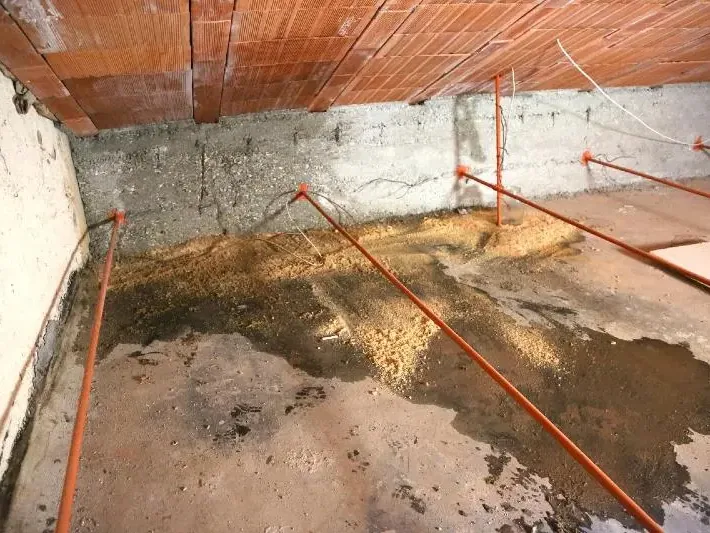
Crawl space water is a general concern for homes built on raised foundations, and nothing here claims how many local homes have one. The problem is hard to see. Water collects in a low, dark space, soaks floor joists and insulation and feeds humidity up into the floors above, all while the living areas look perfectly normal. By the time the floors feel soft or a smell appears, the wet area under the house may be large.
How a crawl space water removal job runs, step by step
Inspect the space
Crews enter with lights and meters, photograph the conditions and map how far the water and moisture have spread.
Remove water and debris
Pumps clear standing water, and ruined insulation and debris are bagged and carried out for disposal.
Dry the framing
Equipment is placed to move dry air across joists and subfloor and to lower the humidity under the house.
Confirm dry conditions
Final readings of the framing and subfloor are recorded, with photos for the owner, landlord or adjuster.
First steps for crawl space water removal right now
- Stop the source: Shut off the water if a pipe is leaking, and check for runoff entering the vents or the foundation before pumping begins. and photograph what is found
- Pump the standing water: Compact pumps clear water from the low points of the space, with protective gear worn in the cramped, dark area.
- Remove wet materials: Insulation and vapor barriers that are saturated are removed, which opens the joists and subfloor to airflow. and carried out for disposal
- Dry the structure: Dehumidifiers and low-profile air movers dry joists, subfloor and air in the space until readings reach target levels.
Water under the floor? Describe what has been noticed, and a local pro will plan the pump-out and the drying.
Describe the crawl space waterWhere crawl space water comes from
The most common sources are leaking supply or drain pipes under the floor, water heater and appliance leaks that drain through the subfloor, and storm runoff that finds its way into the space. Groundwater here is typically found at about 100 feet deep, so standing water in a crawl space more often points to a leak or runoff than to groundwater rising from below.
Crawl space work follows a clear sequence:
- Find and stop the source of the water first
- Pump standing water from the low points in the space
- Remove wet insulation and vapor barriers that cannot dry
- Dry joists, subfloor and air with dehumidifiers and fans
Working in tight spaces
Crawl spaces are cramped, so crews wear protective gear and use compact pumps and low-profile air movers. Moisture meters measure the joists and subfloor from below, and a thermal camera helps find damp areas that look dry. If sewage or storm water is involved, the contaminated-water protocols apply as well.
Winter storms are the busiest season for these calls, since most of the area's yearly rain falls between December and March. Homes around Sunridge Park, the Villages of Zinfandel and near Folsom Boulevard are handled the same way, with readings deciding when the space is dry.
Protecting the floors above
Once the standing water is out, structural drying takes the joists and subfloor to dry goals, and the water extraction page explains pumping in more detail. The service hub lists every other service for local homes.
Crawl spaces hold hidden electrical and structural risks
Water under a house can reach wiring, ducts and plumbing, and the framing above may be softer than it looks. Do not crawl into a flooded space alone, keep power off to the area if it can be done from a dry spot and let a trained crew handle the pumping.
What does crawl space water removal cost in Rancho Cordova, CA?
Crawl space costs depend on the amount of water and how long the framing stayed wet. A small leak area is the lowest scope, while a whole space or contaminated water needs more pumping, disposal and drying.
Small leak area
- One wet section
- Pump and spot drying
- Short monitoring
Whole crawl space
- Full-space pumping
- Insulation removed
- Several drying visits
Sewage or flood water
- Contaminated-water protocols
- Disposal and sanitizing
- Extended drying plan
Ranges are typical, not a quote: water category, square footage, material class and how fast drying started move the number most. The water damage cost calculator gives a planning range for your own rooms.
Crawl space water and coverage
A sudden pipe or appliance failure under the floor is often treated differently from groundwater or storm runoff, which may need separate coverage. Photos of the standing water, the wet insulation and the moisture readings help an adjuster. Check the policy, because nothing here promises a claim outcome. Keep every receipt and any plumber's repair invoice.
The claim file the drying team builds holds a moisture map of every wet room, daily psychrometric drying logs, timestamped photos taken before any demolition, the water category and class of loss, and a line-item scope an adjuster can check. Sudden and accidental water from a pipe or appliance is treated differently from flood water, which most homeowners policies leave to separate flood coverage. Coverage depends on your own policy, so it is worth checking with your insurer before anything is decided. Keep copies of the photos, the readings and every invoice together, because a complete file is what keeps a water claim moving.
How a water loss is handled here, start to finish
Rapid local response
Dispatch runs 24/7 and active water is treated as urgent at any hour, across Rancho Cordova and the neighboring valley cities.
IICRC S500 drying standard
Truck-mounted extraction, LGR dehumidifiers and air movers sized to the class of loss, with readings logged at the same points every day.
Claim-ready documentation
Moisture maps, psychrometric logs and timestamped photos taken before any wet material is cut out, so the adjuster sees the whole loss.
Valley water experts
River-city levees, winter atmospheric river storms, older plumbing and newer subdivisions all shape how each dry-out is planned.
Crawl space water removal across Rancho Cordova and nearby communities
Crawl space crews serve the Villages of Zinfandel, Sunridge Anatolia, Sunridge Park, Cordova Village and homes near Folsom Boulevard and White Rock Road, with dispatch open 24/7 every day for properties across Rancho Cordova.
The same service nearby: crawl space water removal in Sacramento, Citrus Heights, Elk Grove.
Water damage restoration in Rancho Cordova › Every town covered ›Related water damage services
Crawl Space Water Removal questions in Rancho Cordova, CA
How can water in a crawl space be detected?
Soft or cold floors, a musty smell and higher indoor humidity are common signs. A crew checks the space with lights and meters, because standing water can sit under a home for a long time unnoticed.
What usually causes water under a house?
Leaking pipes, water heater and appliance leaks that drain through the subfloor, and storm runoff are the usual sources. Groundwater here is typically about 100 feet down, so a leak or runoff is the likelier cause.
Does wet insulation under the floor have to be removed?
Usually. Saturated insulation holds water against the joists and subfloor and rarely dries well on its own. It is cut out and replaced after the structure dries, which also opens the framing to airflow.
Can joists and subfloor dry without being replaced?
Often yes. Solid framing dries well with dehumidifiers and airflow, and subfloor sheets that have not warped can usually be saved. Moisture readings confirm the result before repairs are made.
Is crawl space water more serious after a winter storm?
It can be, since most yearly rain falls between December and March and runoff may enter the space. If the water is storm or sewage related, contaminated-water protocols and protective gear are used. Protective gear is worn throughout.
Is a crawl space dry-out different from a basement dry-out?
The process is similar, but the tight, dark access changes the equipment and safety steps. Compact pumps, low-profile air movers and protective gear are used, and nothing here claims anything about local foundation types.
Who repairs the leak that caused the water?
A plumber or contractor repairs the source, and the restoration crew pumps and dries. Doing both in sequence keeps new water from re-wetting the framing after drying has started.
How is the air in a crawl space dried?
Dehumidifiers lower the humidity while low-profile fans move air across joists and subfloor. Vents and access points are checked so moist air has somewhere to go, and readings are repeated to prove the space is dry. Equipment stays until the framing reaches its goal rather than for a set time.
Get the space under the floor dry
Dispatch runs around the clock, and one call sets up pumping, insulation removal and drying with readings for the file.
(888) 774-9605Call about the crawl space