Commercial Water Damage in Rancho Cordova, CA
(888) 774-9605Protect the business now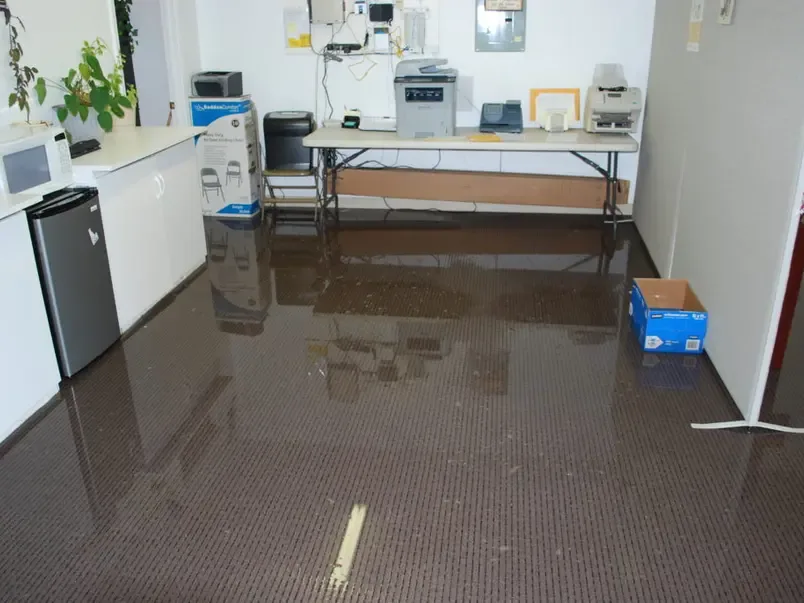
Commercial water damage is about more than wet floors. A flooded suite can stop sales, shut down a clinic, threaten stored inventory and put records at risk, so the response is built around keeping the business moving. The city has office, medical, school and retail users, including Vision Service Plan, Franklin Templeton, The Permanente Medical Group and shops along Folsom Boulevard, and each type of building has its own priorities when water arrives.
How a commercial water damage job runs, step by step
Assess the building
Meters and thermal imaging map water across suites, ceilings and shared walls, and the water category is recorded for every affected space.
Protect operations
The plan sets work hours, containment and priorities so sales, patients or students are disrupted as little as possible.
Dry and monitor
Equipment runs in zones, with readings taken at every visit and moved as materials dry at different speeds.
Close the file
Final readings and a scope of work are delivered for the property owner, tenants and adjusters.
First steps for commercial water damage right now
- Secure the property: Stop the water source, protect inventory and records, and photograph the loss for the owner, manager and insurer before cleanup begins.
- Extract and contain: Pumps and vacuums remove standing water, and barriers separate the wet suite from areas still in use.
- Dry in sections: Air movers and dehumidifiers dry one zone at a time, which lets unaffected suites keep operating where conditions allow.
- Report to all parties: Moisture logs, photos and equipment records are organized for the landlord, tenants and each insurer involved in the loss.
Business flooded or leaking? Describe the space and the damage, and a local pro will plan phased drying around operations.
Outline the business damageWhat differs from a home loss
Commercial buildings have larger floor areas, shared walls, suspended ceilings, carpet tile, commercial HVAC and tenants who each have their own policies. Water from a failed rooftop unit or a broken sprinkler can reach several suites, and the landlord and tenants need clear records of who was affected and how.
A commercial response is usually built in phases:
- Stop the water and protect inventory, records and equipment
- Extract water from carpet tile, slabs and low walls
- Dry affected suites in sections while others stay open
- Deliver separate documentation for owner and tenants
Keeping operations going
Containment barriers, zoned drying and after-hours scheduling reduce disruption for the people still working in the building. Dehumidifiers and air movers are placed to dry the wet area without blowing humid air into clean suites. Medical and school spaces get extra attention to clean work areas.
The Cordova Village Shopping Center and other retail areas along Folsom Boulevard have storefronts with floor drains, back rooms and shared walls, which are checked with meters so damp areas do not stay hidden. Offices near White Rock Road follow the same logic, with ceilings and carpet tile checked first.
Related services
Water that arrives from outside is covered on the flood water cleanup page, and the structural drying page describes the drying phase in detail. The service hub lists every other water service handled in town.
Commercial leaks can reach electrical and fire systems
Water in a commercial building can reach panels, alarm equipment and shared utilities. Staff and customers should leave wet areas, building managers should shut off water and power only where it is safe and trained crews should handle extraction in rooms with active electrical gear. Call a pro before re-entering the space.
What does commercial water damage cost in Rancho Cordova, CA?
Commercial costs follow the floor area, the number of suites and the water category. One shop or suite is the lowest scope, while multi-suite or multi-floor losses involve more equipment, phased drying and longer monitoring.
Single suite or shop
- One affected suite
- Carpet tile and wall base
- Short monitoring
Several suites
- Water into shared walls
- Phased drying zones
- Records for each tenant
Multi-floor loss
- Water across floors
- Ceilings and HVAC checked
- Extended drying plan
Ranges are typical, not a quote: water category, square footage, material class and how fast drying started move the number most. The water damage cost calculator gives a planning range for your own rooms.
Commercial claims and records
Commercial losses often involve a property owner policy and separate tenant policies, so records matter. Photos, moisture logs, equipment counts and a list of removed materials help each adjuster follow the loss. Business interruption and other coverages depend entirely on the policy, and nothing here promises a decision. Keep invoices for emergency repairs and any temporary measures the tenants take.
The claim file the drying team builds holds a moisture map of every wet room, daily psychrometric drying logs, timestamped photos taken before any demolition, the water category and class of loss, and a line-item scope an adjuster can check. Sudden and accidental water from a pipe or appliance is treated differently from flood water, which most homeowners policies leave to separate flood coverage. Coverage depends on your own policy, so it is worth checking with your insurer before anything is decided. Keep copies of the photos, the readings and every invoice together, because a complete file is what keeps a water claim moving.
How a water loss is handled here, start to finish
Rapid local response
Dispatch runs 24/7 and active water is treated as urgent at any hour, across Rancho Cordova and the neighboring valley cities.
IICRC S500 drying standard
Truck-mounted extraction, LGR dehumidifiers and air movers sized to the class of loss, with readings logged at the same points every day.
Claim-ready documentation
Moisture maps, psychrometric logs and timestamped photos taken before any wet material is cut out, so the adjuster sees the whole loss.
Valley water experts
River-city levees, winter atmospheric river storms, older plumbing and newer subdivisions all shape how each dry-out is planned.
Commercial water damage across Rancho Cordova and nearby communities
Commercial crews serve offices, clinics, schools and shops across Rancho Cordova, including the Cordova Village Shopping Center, the Folsom Boulevard corridor, the Barrel District and areas near White Rock Road, with dispatch open 24/7.
The same service nearby: commercial water damage in Sacramento, Citrus Heights, Elk Grove.
Water damage restoration in Rancho Cordova › Every town covered ›Related water damage services
Commercial Water Damage questions in Rancho Cordova, CA
How is commercial water damage different from a home loss?
Larger floor areas, shared walls, suspended ceilings, carpet tile and tenants with separate policies change the work. The plan includes phased drying and separate reports so each party has records.
Can a business keep operating during the dry-out?
Often partly. Containment barriers and zoned drying keep unaffected areas open, though noisy equipment and restricted rooms are part of the job. The plan is built around opening hours. Quieter equipment and after-hours work are discussed in the plan.
What happens to inventory and records after a leak?
Items are moved out of the water path, photographed and sorted by what can be dried or cleaned. Records and electronics need special handling, so they are protected first.
Who handles a loss that affects several tenants?
The property manager coordinates access and notifications, while the restoration crew documents each suite separately. Clear reports help each tenant's insurer understand which damage belongs to which unit.
Are schools and clinics handled differently?
Yes. Medical and school spaces need containment, clean work areas and careful scheduling around patients and students. The same drying standard applies, with extra protection for sensitive rooms.
What kinds of leaks hit commercial buildings?
Failed rooftop units, roof leaks, broken supply pipes, sprinkler or fixture failures, and sewage backups are all common. Each is handled by its water category and by how far it traveled.
How are floors like carpet tile dried?
Tiles are lifted, the slab beneath is dried and the adhesive and tile are checked with meters. Tiles that stayed wet are replaced, while dry ones may be reinstalled after the readings pass. Replacement tile is matched to the originals where possible.
How are tenants and owners kept informed?
Reports are written for each affected suite, with photos, readings and equipment logs. The property manager receives the building-wide summary, and each tenant receives only what applies to the unit, which keeps conversations with different insurers simple and organized from the first visit to the final reading.
Get the building dried and documented
Dispatch runs around the clock, and one call sets up extraction, phased drying and separate records for each tenant.
(888) 774-9605Call about the building