Ceiling Leak Water Damage in West Sacramento, CA
(888) 774-9605Ceiling dripping? Call the drying crew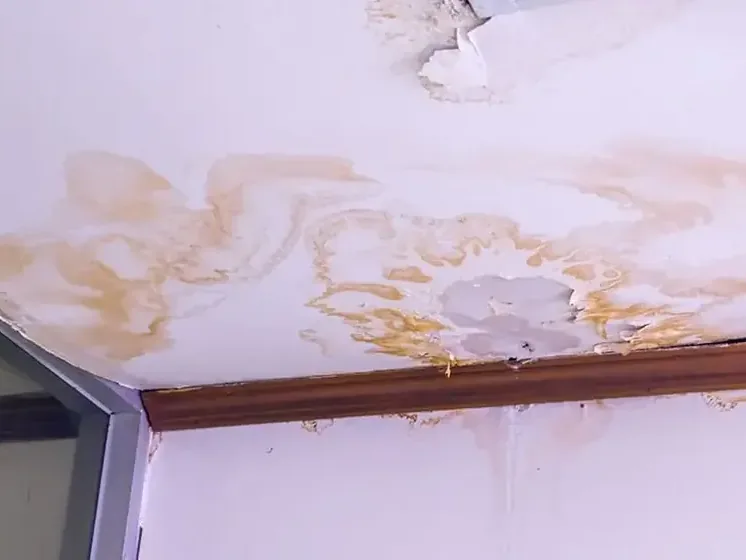
A ceiling shows a leak late. By the time a brown ring appears, water has usually soaked the insulation above, run along a joist and pooled behind the drywall, which is why a small stain can hide a large wet area. The source might be a roof, a plumbing run in the floor above or an air conditioning drain, and the cleanup treats them all the same way.
The tricky part is that the wet spot on the ceiling rarely sits directly under the leak. Water travels along joists and pipes before it drops, so the stain can be several feet from the real entry point, and the crew follows the moisture upward before cutting anything open.
How a ceiling leak water damage job runs, step by step
Find the extent
Meters and a thermal camera map the wet ceiling, the walls it touches and any insulation or framing above.
Drain and open
Pooled water is released safely, then soaked drywall is cut out in sections and wet insulation is removed.
Dry the cavity
Air movers and dehumidifiers dry the joists, the attic space and the room below until readings match a dry reference.
Confirm and hand over
The crew logs final readings and gives the owner a written record, so repairs and the claim can move ahead.
First steps for ceiling leak water damage right now
- Protect the floor: Place buckets under drips and cover furniture and flooring with plastic sheeting, then move small items out of the room before the ceiling lets go.
- Relieve a bulge carefully: If a ceiling is bulging with water, a small hole at its lowest point lets water drain into a bucket, with the person standing aside and wearing eye protection.
- Turn off the lights: Switch off ceiling lights and fans in the wet area at the wall, and stay away from fixtures that are dripping or hold water.
- Document the stain: Take dated photos of each stain, bulge and drip, and write down when it appeared and whether it follows rainfall.
Brown stain spreading overhead? Call now and the ceiling gets opened and dried safely.
Check the sagging ceilingRain is a common starting point
Heavy winter storms are a frequent cause of ceiling damage across the Sacramento area. Atmospheric rivers hit the region in January 2017, and the atmospheric rivers of January 2023 brought heavy flooding and winds above 60 mph. Rain driven through worn roofing or around flashing finds its way into attics and then into ceilings in homes from Broderick and Bryte to Southport.
Letting the water out safely
A bulging ceiling can hold many gallons. Before anything is cut, the crew places protection on the floor, pokes a small relief hole at the lowest point of the bulge to drain the water into a bucket, and then removes the sagging drywall in sections. Insulation that has soaked through is pulled out because it holds water for a long time.
- sagging or bulging drywall
- brown or yellow rings that grow
- paint that peels or bubbles
- drips during or after rain
Drying above and below
Air movers and dehumidifiers then run to dry the joists, the attic floor and the room underneath. If the water came from above, the floor overhead is checked, as described under burst pipe water damage, and for storm leaks the next step is often roof leak water damage drying. Readings show when the cavity is dry enough to close.
Rooms below an upstairs bathroom, a kitchen or a laundry area are classic spots for stains. Wet ceiling light fixtures and exhaust fans deserve special care, because water pooling around wiring is both a shock risk and a sign the cavity is full.
A sagging ceiling can fall without warning
Water adds weight, and drywall that has been wet for days can drop in sheets. Keep people out from under the bulge, shut off the water source if it comes from above, and call so the ceiling is opened and dried in a controlled way instead of collapsing. A ceiling that looks only slightly stained can still carry a heavy load of water behind it, so do not stand under it to check.
What does ceiling leak water damage cost in West Sacramento, CA?
Ceiling leak water damage here typically costs $1,000 to $5,000, based on how large the wet area is and what is above it. The water damage cost calculator gives a planning range. Water that reached insulation and several rooms moves a job toward the upper tiers.
Small stain
- A patch of ceiling
- Drywall section cut
- Short drying run
Room-sized ceiling
- Whole ceiling wet
- Insulation removed
- Walls checked too
Unit below or long leak
- Water reached other levels
- Multiple rooms dried
- Longer equipment run
Ranges are typical, not a quote: water category, square footage, material class and how fast drying started move the number most. The water damage cost calculator gives a planning range for your own rooms.
Ceiling leak claims and what insurers look at
Policies commonly cover a sudden ceiling leak from a storm opening or a plumbing failure, but may refuse damage from long-term roof wear or neglect. Adjusters look for when the stain began and what caused it. The crew records the source, the wet area and every reading in a dated file. Keep receipts for emergency steps such as buckets and tarps, and save any section of pipe or roofing material that failed.
The claim file the drying team builds holds a moisture map of every wet room, daily psychrometric drying logs, timestamped photos taken before any demolition, the water category and class of loss, and a line-item scope an adjuster can check. Sudden and accidental water from a pipe or appliance is treated differently from flood water, which most homeowners policies leave to separate flood coverage. Coverage depends on your own policy, so it is worth checking with your insurer before anything is decided. Keep copies of the photos, the readings and every invoice together, because a complete file is what keeps a water claim moving.
How a water loss is handled here, start to finish
Rapid local response
Dispatch runs 24/7 and active water is treated as urgent at any hour, across West Sacramento and the neighboring valley cities.
IICRC S500 drying standard
Truck-mounted extraction, LGR dehumidifiers and air movers sized to the class of loss, with readings logged at the same points every day.
Claim-ready documentation
Moisture maps, psychrometric logs and timestamped photos taken before any wet material is cut out, so the adjuster sees the whole loss.
Valley water experts
River-city levees, winter atmospheric river storms, older plumbing and newer subdivisions all shape how each dry-out is planned.
Ceiling leak water damage across West Sacramento and nearby communities
Ceiling leak crews serve all of West Sacramento, from Broderick, Bryte and the Town of Washington to Southport, Arlington Oaks, Linden, Gateway, River Ranch and Newport, with 24/7 dispatch whenever a ceiling is wet.
The same service nearby: ceiling leak water damage in Sacramento, Davis, Elk Grove.
Water damage restoration in West Sacramento › Every town covered ›Related water damage services
Ceiling Leak Water Damage questions in West Sacramento, CA
Why is my ceiling stained and sagging?
Water is trapped above the drywall, from a roof leak, a pipe in the floor overhead or an HVAC drain. The stain shows where it pooled, and a sag means the drywall is heavy with water. The stain often appears away from the actual entry point, since water follows framing before it drops.
Should I pop a bulging ceiling?
A small, controlled hole at the lowest point can release water safely into a bucket, which prevents a sudden collapse. Stand to one side, wear eye protection and call for help to open the rest.
Will the ceiling insulation have to be replaced?
Wet insulation holds water for weeks and loses its value, so it is normally removed. Drying the framing and the cavity comes next, and new insulation is installed once readings are dry. Insulation removal is part of the job because it cannot be dried once it has soaked through.
Can I just paint over a ceiling stain?
Painting hides the mark but not the moisture. If the material above is still wet, the stain returns and the drywall continues to weaken. Dry the area first, confirm it with readings, then repair. Stain blockers can seal in odor and hide the damage while the cavity stays wet.
How do I tell if the leak is from the roof or from plumbing?
Leaks that follow rain point to the roof, while stains that appear under a bathroom or kitchen suggest plumbing. A moisture map and a plumber or roofer confirm the source.
Does homeowners insurance cover a leaking ceiling?
Typically for sudden events, such as a storm opening or a pipe failure, and not for gradual deterioration. Photograph the damage early, report promptly and ask your insurer how your policy reads. Ask the adjuster what documentation they want, and give them the crew's photos and readings.
How long does a ceiling take to dry?
Small areas dry in a few days, while larger or multiple-room leaks take longer. The equipment stays until meters read dry in the drywall, insulation and framing. Larger ceilings can take longer because the cavity above holds moisture longer than the surface.
What if the leak is coming from the unit above mine?
Report it to the owner or manager and photograph the damage. The crew documents the source and spread, which helps owners, tenants and insurers settle which claim covers what.
Ceiling heavy with water? Get it opened and dried properly.
The pooled water is released, wet drywall and insulation come out and the cavity is dried, with readings logged for your insurer.
(888) 774-9605Dry the wet ceiling