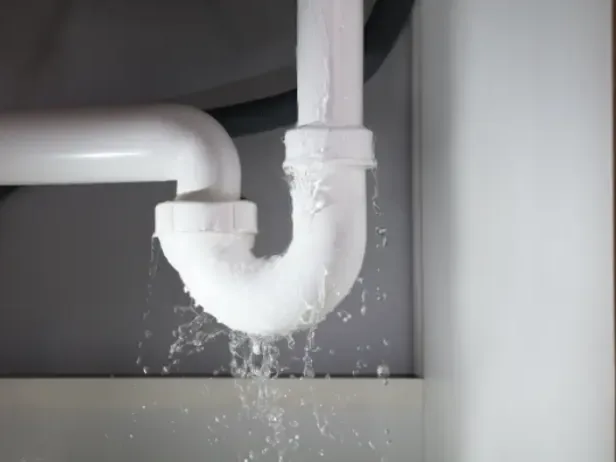
More than half of Davis households rent, so one washer hose that slips off can touch two or three homes. In a shared building the water rarely stays where it starts. This post explains who acts first, what gets reported, and how drying is handled when walls and ceilings are shared.
Key takeaways
- Shut off the appliance supply valve first, then the unit's main valve if the leak continues.
- Tell the landlord or property manager in writing right away, with photos attached.
- Neighbors below or beside may have wet ceilings or walls even when no water is visible to them yet.
- Drying a shared wall can require access to both units.
- Keep receipts and photos for renters insurance and for any dispute about responsibility.
Why rentals are a special case in Davis
In the 2010 Census, Davis had 25,869 housing units, with 57.0% renter occupied. About 54.7% of residents lived in rental housing, and the 2020 median age was 28.1 years, with 27.8% of residents aged 18 to 24.
That mix of students, young households and multi unit buildings means a single leaking dishwasher or washer can affect people who never met each other. Downtown Davis, Aggie Village and the Olive Drive area are all places where buildings share walls and floors.
The first few steps for the tenant
The goal is to stop water at the source and limit how far it spreads before anyone arrives.
- Close the small valve behind the washer or under the dishwasher or sink.
- If it keeps running, close the unit's main water valve.
- Move rugs, electronics and cardboard boxes off the wet floor.
- Sweep standing water toward a floor drain or doorway with a squeegee, and soak the rest with towels.
- Take photos from several angles before anything is moved.
Do not run the washer again
A hose that slipped once can fail again, so the appliance stays off until the hose and fittings are checked.
Reporting to the landlord and the neighbors
A written report right away protects the tenant. A short message with photos, the time it was noticed and what was shut off is enough.
Neighbors below or beside should be told as well. A ceiling stain can appear later, and early notice lets them protect their belongings.
- Name the appliance and where the water came from.
- List rooms and items that got wet.
- Ask for the landlord's insurance contact.
- Keep a copy of every message.
How the water travels in a shared building
Water follows gravity and gaps. It crosses the floor, drops through openings around pipes, and runs down inside walls.
A leak in an upstairs bathroom or laundry nook can reach the ceiling below.
This is why a quick towel cleanup is rarely the whole job. Wet insulation and drywall inside a wall can stay damp for a long time.
What the unit below sees
A faint stain, a bubble in paint, or drips at a light fixture are common signs. Do not poke at a sagging ceiling; call for help so it can be opened in a controlled way.
What the side wall holds
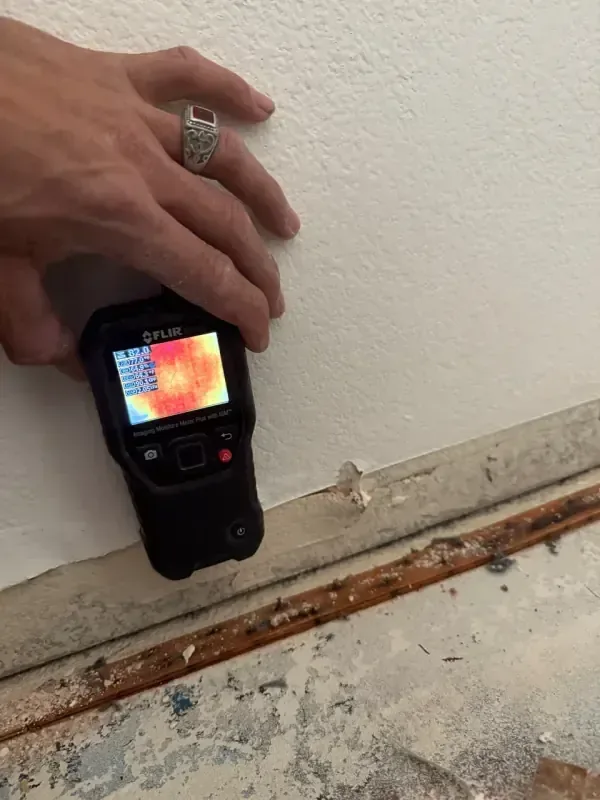
Shared walls can trap water between the two layers of drywall. Moisture meters and a thermal camera find it without cutting everything open.
Drying with two sets of keys
Effective structural drying in a multi unit building needs access to every wet space, so the landlord usually arranges entry for both units.
Air movers and dehumidifiers run until readings match dry reference points. The exact schedule depends on materials and how far the water spread.
- Extraction of standing water first.
- Pad and wet baseboards removed when they cannot dry in place.
- Wall cavities dried through small access holes where possible.
- Daily or regular moisture checks recorded for the file.
A checklist for landlords and property managers
The manager of a multi unit building is often the person who decides how fast the loss is handled. A short checklist keeps the response consistent from one call to the next.
- Confirm the source is closed and the supply valve works.
- Contact the unit below and beside the leak.
- Arrange access for extraction and drying in every affected space.
- Record meter readings and photos in a shared file.
- Tell the insurer early and keep copies of every notice.
Preventing the next hose failure
Most washer and dishwasher leaks come from a few parts that wear out. A short check each season is cheaper than a repair after a leak.
Braided steel hoses tend to last longer than plain rubber ones, and a visible bulge or rust at the fitting is a warning sign.
- Look behind the washer for drips or stains on the floor.
- Replace hoses that look cracked, bulged or rusty at the ends.
- Close the supply valves when going away for a long trip.
- Do not run the washer or dishwasher while nobody is home.
- Check under the kitchen sink for damp cabinet bottoms.
Move the washer carefully
Pulling a washer out can tear a hose. Turn off the valves first and have a second person help.
A word on student and short term renters
With UC Davis enrolling 40,850 students as of 2023, many Davis tenants are new to renting and unsure whom to call. A leak that happens during a break or move out week can run longer because nobody is home.
Landlords can help by telling new tenants where the shutoff valves are and whom to contact after hours.
Who pays and what to keep
Responsibility depends on the lease, the cause of the leak and the insurance on each side. This post does not decide that.
What helps every party is a clear record.
For the appliance side, the appliance leak page lists the usual causes and typical work. Landlords can also see the main service page for how a multi unit loss is scoped.
The town hub lists every water service available here.
- Photos and videos of the leak source and every wet area.
- The lease section on maintenance and appliances.
- Invoices for the appliance, hoses and any repair.
- Dates of all reports to the landlord.
Questions
Who shuts off the water in a rental?
The tenant should close the small valve at the appliance first, then the unit's main valve if needed. If neither can be reached, the landlord or property manager should be called right away.
Can a leak reach a neighbor without leaving a visible mark?
Yes. Water can sit inside a ceiling or wall for a while before a stain shows. That is why neighbors below or beside should be told early.
Is drying needed if the floor looks dry after towels?
Often yes. Wet drywall, baseboards and padding can hold moisture. Meter readings, not appearance, show whether materials are dry.
Does the lease decide who pays?
The lease, the cause of the leak and each party's insurance all matter. A written record of dates, photos and invoices helps whoever has to sort it out.
What if the tenant is away when the leak starts?
A neighbor or the manager may notice first. Giving the manager a shutoff plan and a contact number for an emergency helps limit damage when nobody is home.