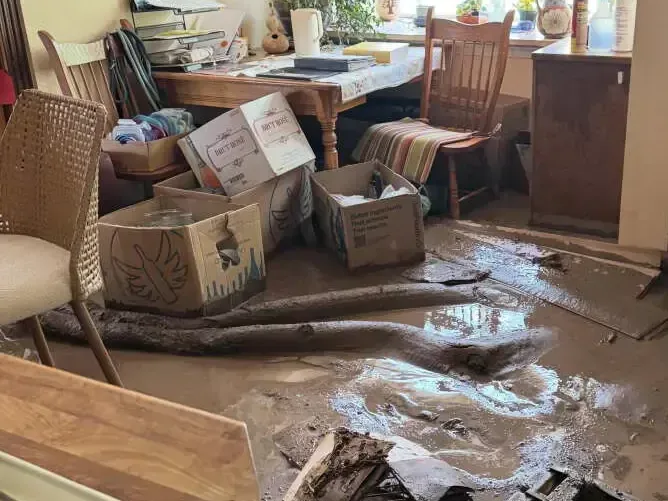
Citrus Heights has six named creeks, and two of them, Cripple Creek and Arcade Creek, have left their banks more than once. When that water reaches a house, it brings mud and contamination with it. This post explains how cleanup is ordered and what dries first.
Key takeaways
- Creek water is treated as contaminated because city storm drains flow directly into creeks without treatment.
- Mud and silt are removed before drying equipment is set.
- Porous materials touched by creek water are usually removed rather than dried.
- Extraction, cleaning and drying happen in a fixed order.
- Photos and a contents list should be made before anything leaves the home.
Creeks that run through the city
The city names six creeks: Arcade, Brooktree, Coyle, Cripple, Mariposa and San Juan Creeks. The creeks deliver water to Arcade Creek and then to the Sacramento River.
City storm drains flow directly into creeks without treatment, which is one reason creek water is handled as contaminated after it enters a home.
What past overflows looked like
Major flooding hit the Sacramento area on January 1, 1997, the day Citrus Heights became a city, after a warm atmospheric river melted mountain snow. According to a former council member, Cripple Creek overflowed and Sylvan Road was impassable where the road dips in front of a church.
A local business owner said Arcade Creek overflowed three to four feet deep at a cul-de-sac and left two homes inaccessible by vehicle.
The January 2023 storms
Back-to-back atmospheric river storms in January 2023 toppled hundreds of trees and downed power lines. Cripple Creek and Arcade Creek overflowed their banks again.
The city fielded more than 400 service requests in the two weeks, about three times the average.
First steps inside the home
The first rule is to stay out of water that could be near electrical outlets or appliances. Safety comes before salvage.
- Do not enter water that may touch electricity.
- Keep children and pets out of the wet area.
- Wear boots and gloves for any contact with muddy surfaces.
- Photograph the high water mark and damaged items.
- Leave removed materials in a pile for the crew to see.
The cleanup order
A sequence keeps the work efficient and prevents moisture from being sealed in. Flood water cleanup follows a consistent order.
Bulk water leaves first through water extraction, then mud, then porous materials, then surfaces, then drying.
- Extraction of standing water.
- Shoveling and vacuuming of mud and silt.
- Removal of carpet, pad, low drywall and wet insulation.
- Washing and treatment of hard surfaces and framing.
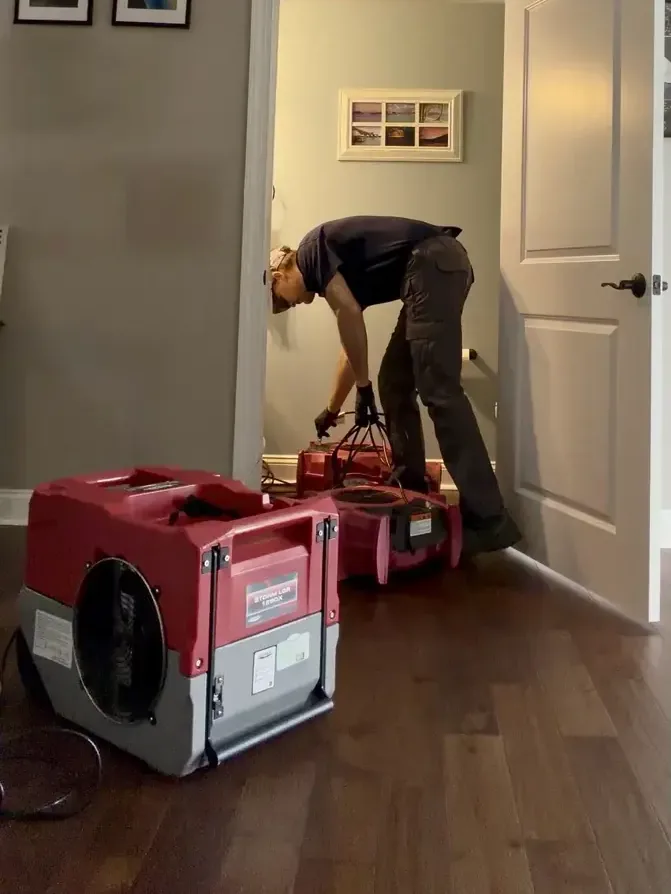
- Air movers and dehumidifiers until meters read dry.
What dries and what goes
Hard materials such as tile, sealed concrete and framing can usually be cleaned and dried. Carpet pad, insulation and low drywall exposed to creek water are normally removed.
The choice between the two groups is decided by meter readings and by what the water carried.
Garages and storage
Garages often take the first water. Stored boxes and wooden furniture are the common losses, while the slab itself dries well once silt is washed away.
Living areas
Carpeted rooms and rooms with built in cabinets take longer, because wet padding and the bottom of cabinets hold moisture.
Contents: what to save and what to let go
Contents sorted early save money and effort. Items that creek water touched are sorted by material rather than by sentimental value.
Hard goods such as metal tools and plastic bins can often be cleaned. Porous items are harder.
- Usually cleanable: glass, metal, solid plastic and sealed wood.
- Usually discarded: mattresses, upholstered furniture, carpet and pillows.
- Case by case: books, papers and photographs, which can sometimes be frozen and dried later.
- Case by case: electronics, which should not be plugged in until checked.
Mistakes that slow recovery
Cleaning up after a creek event feels urgent, and a few missteps are common.
- Walking through mud in regular shoes and tracking it into dry rooms.
- Running fans before the mud is gone, which spreads dust.
- Washing silt down household drains and clogging them.
- Letting wet drywall stay on the walls for days.
- Skipping photographs because the mess looks obvious.
After drying: repairs and next season
Once the structure is dry, repairs follow: insulation, drywall, trim, flooring and paint. A scope written after drying avoids paying for replacement of materials that dried fine.
The wettest stretch of the year runs from November to March, since over 80% of the 24.61 inches of yearly rain falls then. Owners in creek areas often use the quiet summer to check drainage, clear gutters and move valued items off garage floors.
Questions owners ask before work starts
A short list of questions at the first visit sets expectations for both sides and avoids surprises later.
- Which rooms need removal, and which can be cleaned and dried?
- How will mud and silt be removed from the property?
- Will meter readings be shared at each visit?
- What is the plan for contents, and who sorts them?
- When does the rebuild phase begin?
Why readings matter
Readings turn a long job into a clear plan. They show when a wall is dry and when equipment can leave, so nobody pays for extra days or stops early.
Planning ahead for the next wet season
The creek events on record are a reminder to prepare before the rain starts. A few low cost steps make the first hours of any event calmer.
Owners can move valued items off garage floors, know where the main water and power shutoffs are, and keep photos of the house in normal condition for comparison.
- Keep a short list of important documents in a waterproof bag.
- Raise stored boxes onto shelves or pallets.
- Clear leaves from gutters, yard drains and storm drain covers.
- Save the number of the insurer and the utility in a phone contact.
Living near a creek in Citrus Heights
The city runs its own Stormwater Program and a Drainage Master Plan that began in neighborhoods without defined drainage. The municipal code also requires new and replacement water and sanitary sewer systems to be designed to minimize infiltration of floodwaters.
Owners near Sylvan Creek, Twin Creek or The Meadows at Cripple Creek can use the town hub to see every water service in the area. The main flood service page shows typical scope and price ranges.
Questions
Is creek water the same as rainwater?
No. Creek water has crossed streets, yards and storm drains before reaching a home, and city storm drains flow into creeks without treatment. It is handled as contaminated.
Does every creek overflow cause house damage?
No. Some overflows stay in yards or streets. The 1997 events show that overflow can also make roads impassable or leave homes hard to reach.
What is removed first inside the house?
Standing water goes first, then mud, then wet carpet, pad and low drywall that cannot be cleaned. Hard surfaces are washed and dried.
How long does drying take?
It depends on materials and how far the water spread. Meter readings are taken at each visit and the equipment stays until the readings are dry.
What about the fog and damp in winter?
About 96 days a year have fog, mostly in December and January. Drying equipment is planned to work with damp winter air, and meter readings decide when the job is done.