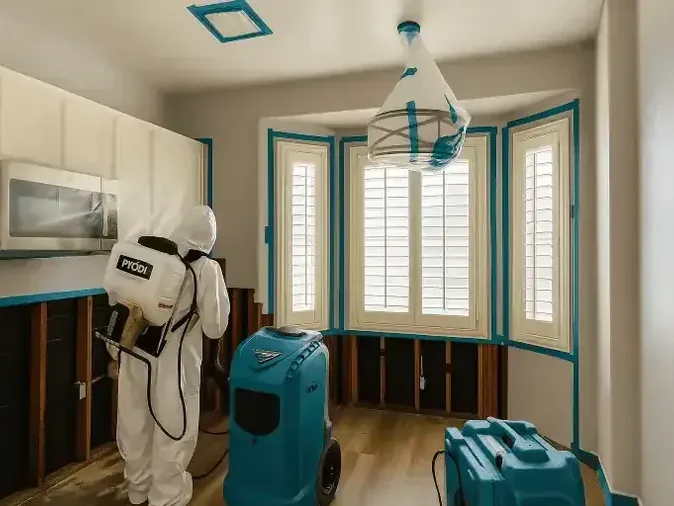
A sewage backup is different from every other kind of household water loss. It is Category 3 water, which means it can carry bacteria and other contaminants from the first moment. This post covers what an owner stops doing, who stays out, what is removed and how the area is made safe again.
Key takeaways
- Stop using toilets, sinks, showers, washers and dishwashers once water backs up.
- Keep people and pets out of the wet area, especially children and anyone with health concerns.
- Porous materials touched by sewage are removed rather than dried.
- Hard surfaces are cleaned and treated, then dried.
- A clean water main break is a different problem and is handled differently.
Why sewage is treated differently
Sewage water can hold bacteria, viruses and waste material. Clean water from a supply pipe starts out safe and only becomes dirty over time.
Sewage starts out contaminated.
That one difference changes everything about the cleanup: what is removed, what protective gear is used, and how surfaces are treated afterward.
What to do right away
The goal is to stop adding water to the system and to limit contact with what has already spilled.
- Stop flushing, showering, running the washer and using the dishwasher.
- Keep children, pets and anyone with a weak immune system out of the area.
- Do not walk through the water in regular shoes.
- Do not try to clear a blocked drain with chemicals while water is rising.
- Photograph the spill and any affected contents.
Who to check with
Sacramento Area Sewer District customers can look up their service on the county site. Knowing who serves the address helps an owner report a problem in the public system.
Where it often shows up
The lowest drain in the home gets the backup first, which is often a floor drain, a tub or a cleanout. A toilet can also overflow.
A water main break is not a sewage backup
Sacramento has seen both kinds of water in the street. A 14-inch water main broke near 15th and S streets in the Richmond Grove neighborhood and flooded several blocks of the central grid, with water up to the wheel wells of parked cars.
That water came from the clean supply system. It still needs to be removed fast, but it is handled through water extraction rather than a sewage protocol.
What is removed after a backup
Materials that soak up sewage cannot be made safe by drying, so they are removed.
- Carpet and pad.
- Drywall and insulation that wicked sewage water.
- Upholstered furniture and mattresses.
- Cardboard and paper goods.
- Particleboard cabinet bases.
Cleaning and treating what stays
Tile, sealed concrete, tubs and framing can usually be cleaned. Sewage backup cleanup uses hospital grade cleaners on these surfaces, followed by rinsing and treatment.
The crew works in protective gear and may isolate the area with plastic sheeting so contamination does not travel to clean rooms.
Drying
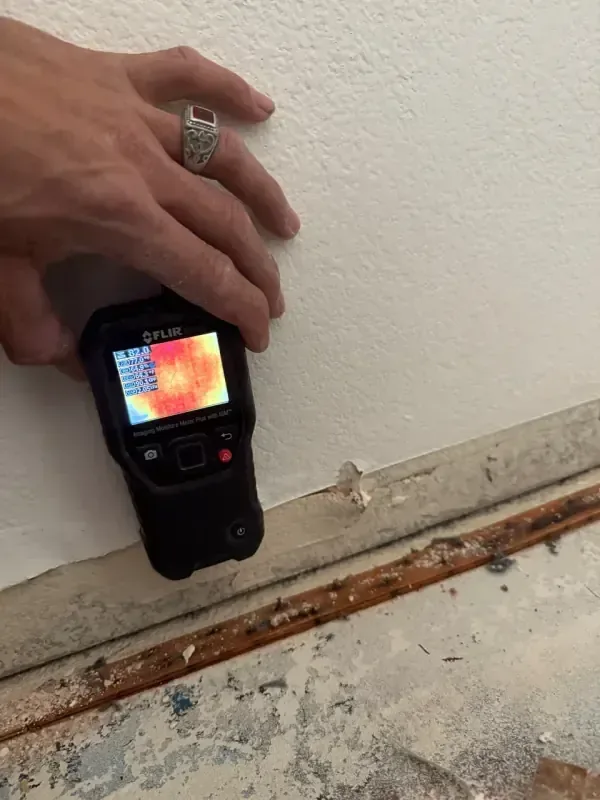
After cleaning, the room is dried with air movers and dehumidifiers. Structural drying continues until readings match dry reference points.
Cleanout and floor drain backups
Backups do not always start at a toilet. A floor drain in a basement level, laundry room or garage can push water into a room, and a cleanout cap outside can overflow into a yard or crawl space.
In any of these cases, the same rules apply: stop adding water, limit contact, and document the spill.
- Floor drain backups often reach stored boxes first.
- Tub backups can follow a blocked main drain.
- Cleanout overflows may reach exterior walls or low vents.
- Multiple fixtures backing up at once points to a blockage deeper in the pipe.
Protecting health during cleanup
Anyone near a sewage spill should treat it as a health matter. Contact with skin, eyes and mouth is what to avoid.
Wash hands thoroughly with soap after any contact, and keep food and drinks out of the area.
- Rubber boots and gloves for any contact.
- Eye protection and a mask when dust or spray is possible.
- Separate laundry for clothes worn during cleanup.
- Medical advice if a cut or open skin touched the water.
Preventing a repeat
Cleanup restores the home, but it does not remove the cause. A plumber can scope the pipe to find roots, grease or a collapsed section.
Simple habits help: nothing but toilet paper in the toilet, grease in the trash, and a look at floor drains after heavy rain.
Heavy rain and slow drains
Cold winter and spring storms can bring intense showers and hail here. A drain that is slow after a storm is worth checking before it backs up.
What the crew does on arrival
A crew starts by walking the area and marking how far the contamination spread. That map decides where containment goes and which rooms stay off limits.
Next comes extraction of liquid waste, bagging of removed materials, and cleaning of every hard surface. Disposal follows local rules for contaminated materials.
- Containment with plastic sheeting where needed.
- Extraction of standing sewage.
- Bagging and removal of porous materials.
- Cleaning and treatment of floors, walls and framing.
- Drying with air movers and dehumidifiers, followed by meter checks.
Odor and air quality
Odor often lingers in porous materials. Removing them is the main fix.
Air scrubbers and ventilation help while the work is underway.
Planning for an uncertain situation
A backup often feels like an emergency with no clear owner. The cleanup crew handles the contaminated materials, a plumber handles the pipe, and the owner coordinates both.
Writing down who was called and when keeps the timeline clear and makes every later conversation easier.
- Name of the plumber and the date of the visit.
- Name of the cleanup crew and the scope agreed.
- Notes on what the plumber found.
- Photos of the clean, dry result.
Records and next steps
Take photos before cleanup starts and keep a list of what was removed. Specific insurance terms differ, so this post does not describe coverage.
If the same drain backs up again, a plumber should inspect the cause. Cleanup removes the effect, not the blockage.
- Photos of every affected room.
- A list of discarded items.
- Notes on when the backup began.
- Any plumber or utility reports.
Questions
Can a sewage backup be cleaned with household products?
Not safely. The water is contaminated and soaks into porous materials. A trained crew uses protective gear and hospital grade cleaners, then dries the area.
What is removed after a backup?
Carpet, pad, low drywall, insulation and other porous items that touched the water. Hard surfaces are cleaned and treated rather than removed.
How is this different from a water main break?
A water main carries clean supply water, so cleanup is extraction and drying. A sewage backup is contaminated from the start and needs removal and treatment.
Who should be called about the public sewer?
Customers of the Sacramento Area Sewer District can look up their service on the county site. A plumber can tell whether the blockage is inside the home or outside it.