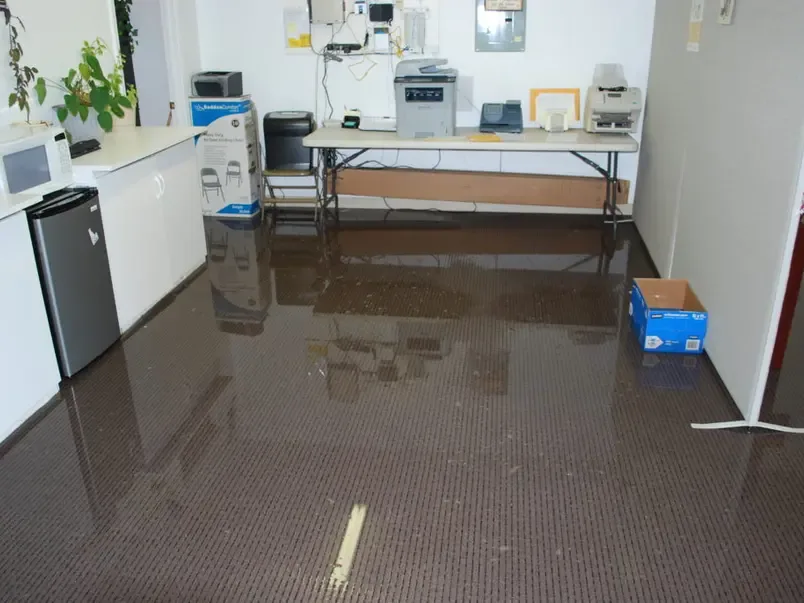
The Old Sacramento Waterfront sits along the Sacramento River, and the history of the area is tied to water. When a pipe fails or a storm leaks into a shop, restaurant or office here, the owner needs a plan for the first day. This post covers what to do, how older structures are dried, and how to keep trading.
Key takeaways
- Stop the water, protect inventory and records, then call for extraction.
- Document every wet item and area before anything is thrown out.
- Older buildings need careful drying because materials hold moisture differently.
- A phased plan can keep part of a business open.
- Tell the landlord and insurer early, and keep a written timeline.
A district built around water
The Sacramento History Museum tours underground spaces and streets that were abandoned when the city raised its streets and buildings as an anti flooding measure. During the Great Flood of 1862, the city levee acted as a dam and held water inside the city, and much of it stayed under water for about three months.
After that, the city reinforced its levees, re-channeled the American River and raised itself above flood level over about two decades.
Day one decisions, made calmly
A business owner faces two clocks at once: the building and the customers. The building comes first for a short time, then the business.
- Shut off the water supply to the affected area.
- Turn off power to wet circuits if it can be done safely.
- Move inventory, paper records and electronics out of the wet zone.
- Photograph everything before it moves.
- Tell the landlord and building manager right away.
Extraction in a commercial space
Larger floors need larger equipment. Commercial water damage crews bring truck mounted or heavy portable extraction units to pull water from tile, wood and concrete.
Speed matters because water that sits on a floor moves into baseboards, doors and the first layer of walls.
Restaurants and kitchens
Food areas need extra care. Water near prep surfaces or food storage can mean discarding product, and health rules may affect when the area reopens.
The crew documents what was affected.
Offices and retail
Carpet tile, drywall and ceiling tiles are the common losses. Stock and files are sorted into salvageable and not.
Drying older structures
Older buildings often have thick masonry, wood framing and layers of past repairs. Those materials release water slowly.
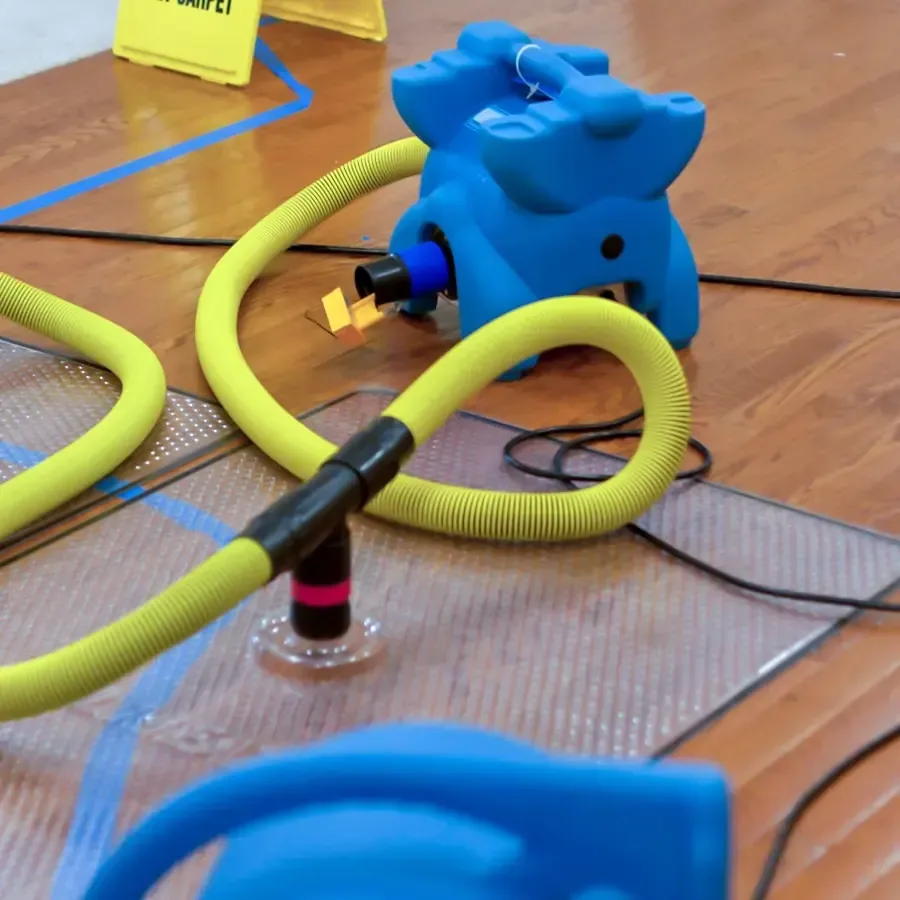
Structural drying uses air movers, dehumidifiers and moisture meters to follow that process room by room.
- Readings taken on day one set the baseline.
- Equipment is placed to move air across wet walls and floors.
- Meters track progress at every visit.
- Equipment comes out only when readings match dry reference points.
Keeping a business open
A phased plan can sometimes keep part of the business running. The dry area opens while the wet area is isolated and worked on.
That choice depends on safety, noise, airflow and the type of business, and it should be discussed with the crew before work starts.
- Isolate the wet area with barriers.
- Route customers away from equipment and cords.
- Keep a list of closed areas and affected services.
- Plan the reopening date around readings rather than guesses.
Salvaging stock and records
Inventory and paper records are sorted early. The faster they leave the wet area, the more can be saved.
A simple triage system keeps the process orderly: dry and untouched, damp but salvageable, and soaked.
- Move boxes onto racks or tables, not onto other damp floors.
- Photograph pallets and shelves before moving them.
- Separate food, paper, electronics and fabric.
- Label bins by area so the insurer can follow the claim.
Landlords, tenants and insurers
In older downtown buildings, the owner and the tenant may be different parties. Each has different responsibilities.
Tell both promptly and keep copies of every notice. Policy terms vary, so this post does not describe coverage.
- Written notice to the landlord with photos.
- Written notice to the insurer with a list of losses.
- A timeline of shutoff, extraction and drying.
- Invoices and receipts for temporary repairs.
Preventing repeat losses
After a loss, many owners walk the space with a manager to find the main shutoff and check supply pipes and fixtures. Knowing where valves are saves time in the next event.
A seasonal check of roof drains, gutters and floor drains before the rainy months is a modest step with a real payoff.
Choosing between cleanup and closing for repairs
Some losses are small enough to handle in a day or two. Others, such as a burst pipe over a dining room, need a full closure.
The deciding factors are safety, the size of the wet area and what the business sells.
Owners can weigh those factors using a few questions that the crew helps answer.
- Is there any risk from wet electrical equipment or slippery floors?
- Is food, medicine or sensitive stock in the wet area?
- Can customers reach the dry area without crossing wet floors?
- Will drying equipment be loud or in the way?
- How long will repairs take after drying?
Communicating with customers
A short sign or a social media note about a temporary closure keeps regulars informed. Staff should know where to send questions so the owner can focus on the building.
Documenting lost days
Keep a record of closed days and canceled bookings. Those notes help when the loss is reviewed by the landlord or insurer.
Planning ahead for the rainy months
A water loss is easier to manage when the basics are ready before it happens. A one page plan taped inside the office door can save time under pressure.
The plan names who shuts off the water, who calls the landlord, and where inventory goes first.
- Location of the main water shutoff and the electrical panel.
- Contact list for the landlord, insurer and key staff.
- A priority list of stock and records to move first.
- A folder of photos showing the space in normal condition.
Costs and records
On the site's own price pages, a single suite or shop is shown at $3,000 to $8,000 for commercial water damage, several suites at $8,000 to $25,000, and a multi floor loss at $25,000 to $60,000 or more. Those are planning ranges, not quotes.
A written scope after inspection replaces the range with a figure. Keep photos, invoices and a timeline for the landlord and any insurer.
The extraction page explains how the first step is scoped.
Questions
What is the first thing a business owner should do?
Stop the water source if it can be reached, protect inventory and records, and photograph the damage. Then call for extraction so water does not spread further.
Can part of a business stay open?
Sometimes. The dry area can open while the wet area is isolated, but safety, noise and airflow must be considered. The crew can discuss it before starting.
Why do older buildings dry more slowly?
Thick masonry and layered materials release moisture slowly. Meters direct the work so equipment stays until readings are dry.
What records matter most?
Photos of damage, a list of affected stock, invoices and a written timeline. They help the landlord, insurer and crew.